02 — Pillar · Off-Grid
Expert guides and Q&A about wind turbine siting.
Q&A in this topic
60 total
Yes, offshore wind projects require specific permits and approvals from various government agencies and regulatory bodies to ensure compliance with environmenta
For optimal wind turbine placement, rural areas with open spaces and consistent wind patterns are ideal, such as near hills, valleys, or ridges where wind speed
Assessing wind patterns before siting involves analyzing wind speed, direction, and turbulence to determine optimal turbine placement. This is typically done us
Involving local stakeholders in wind projects is crucial for their success and requires open communication, transparency, and collaboration. This includes condu
When siting wind turbines in remote areas, it's essential to assess the site's wind resources, terrain, and accessibility to ensure optimal performance and main
The best resources for learning about wind energy siting include the American Wind Wildlife Institute, the American Society of Civil Engineers, and the National
States with strong and consistent winds, such as Wyoming, Montana, and North Dakota, are ideal for installing wind turbines off-grid. These areas receive ample
For measuring wind speed on potential sites, use a handheld anemometer for a quick assessment or a cup anemometer for more accurate long-term data. Other option
A small wind turbine can work in a suburban environment, as long as it is properly sized, installed, and integrated into the local energy grid.
Environmental concerns can indeed delay wind turbine permits, often as a result of potential impacts on local wildlife, ecosystems, and scenic views.
Homeowners Associations (HOAs) can impose restrictions on wind turbines, but their ability to block them entirely depends on the specific terms of their governi
Local governments can significantly influence wind farm development plans by exercising their regulatory authority to ensure that projects meet local zoning and
NIMBY (Not In My Backyard) sentiment can be alleviated with community education, as informed residents are more likely to support wind turbine siting projects t
Small wind turbines can work in residential areas, but their effectiveness and appropriateness depend on various factors such as wind speed, turbine size, and l
Turbine size can indeed impact local permitting processes, as larger turbines may require more stringent safety assessments and compliance with specific noise,
Wind turbines can impact local weather patterns, particularly wind speed and temperature, but the effects are generally minimal and localized. The magnitude of
Turbines can be installed in flood-prone areas, but proper siting and design considerations must be taken into account to ensure their safety and performance.
Wind Farm Proximity Affects Property Values: a study by the Lawrence Berkeley National Laboratory found that homes within 1.5 miles of a wind farm saw a 7% decr
Wind turbines can be successfully operated in urban environments but require careful siting and planning.
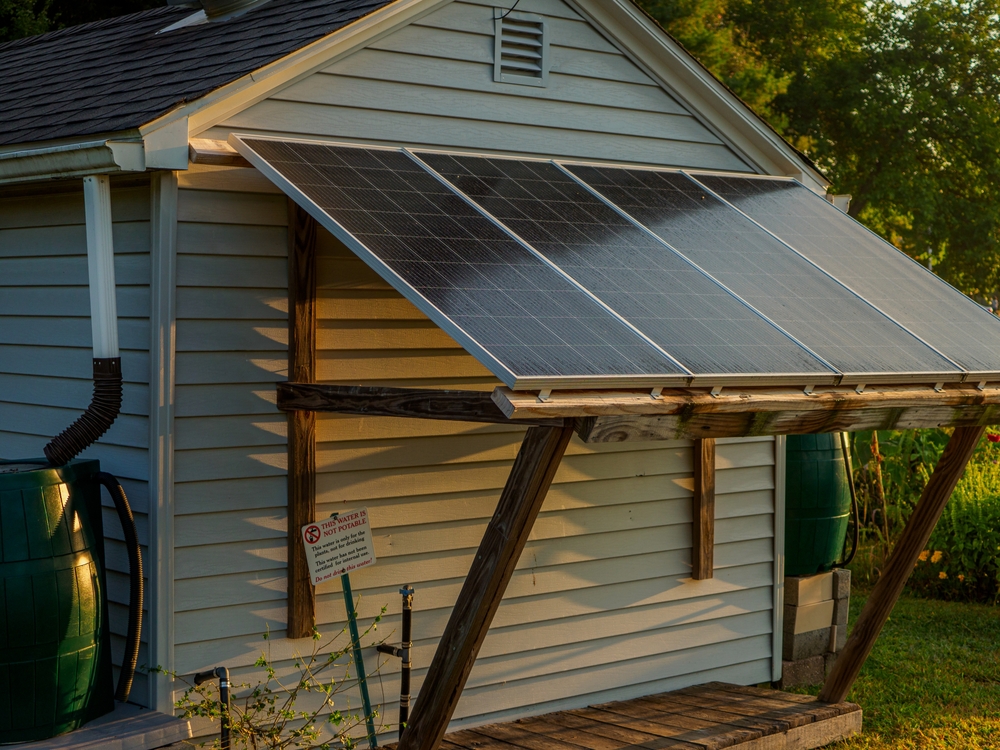
Yes, it's possible to combine wind and solar energy at one site, offering a hybrid energy solution that can optimize energy production and reduce costs.
Wind turbines and solar panels have varying costs depending on the specific installation requirements and location. Generally, wind turbines tend to be more exp
Local regulations differ significantly by state for turbines, with some states having more restrictive height limits and setback requirements than others, affec
Wind turbine farms typically require public hearings before approval, as they are often considered a large-scale development that can impact local communities a
In the United States, the Federal Aviation Administration (FAA) requires permits for wind turbines over 200 feet tall, but small turbines under 200 feet typical
NIMBYism, or \
Dominant wind directions in the Midwest for siting are generally from the southwest through west, with some variation by state and region. This is due to the pr
Vertical-axis wind turbines (VAWTs) tend to perform better in low-wind conditions than horizontal-axis wind turbines (HAWTs), but their efficiency decreases rap
Wind turbines can pose a threat to certain species, such as birds and bats, due to collision with blades. This can lead to population decline or even extinction
Grid-Tied Vs Off-Grid Wind Systems: Grid-tied systems are better suited for areas with consistent and strong wind patterns, while off-grid systems are ideal for
Noise Pollution Mitigation from Wind Turbines can be achieved through strategic siting and design choices, including using noise-reducing turbine blades and pla
Dominant winds affect turbine layout by necessitating a tilt angle that maximizes energy production. This typically involves a tilt of between 5 and 15 degrees,
Zoning laws play a significant role in determining where wind turbines can be placed, often dictating the minimum distance from neighboring properties and natur
Seasonal wind variation affects turbine placement by shifting optimal locations to areas with consistent wind patterns, typically at higher elevations or furthe
A wind turbine should be installed at a height of 80 to 100 feet (24 to 30 meters) above ground level for optimal performance, as this allows it to capture the
For off-grid living, a single wind turbine with a capacity of 2-5 kilowatts (kW) can be sufficient to power a small household, assuming optimal siting and a rel
Addressing safety concerns around wind farms involves proper siting, regular inspection, and adherence to international safety standards such as IEC and OSHA gu
Assessing the visual impact of wind turbines involves analyzing the turbine's height, location, and proximity to nearby structures, as well as the surrounding l
The ideal height for a wind turbine depends on factors like turbine size, wind speeds, and terrain. A general rule of thumb is to install turbines between 80 to
To choose the right site for a wind turbine, look for an area with consistent and strong winds, a location that minimizes noise and visual impact, and accessibi
Communicate with NIMBY neighbors by focusing on shared benefits, using clear and concise language, and being transparent about turbine technology and operation.
Conduct a community needs assessment for wind projects by gathering data on local demographics, environmental conditions, and stakeholder opinions to identify p
Conducting a feasibility study for wind energy projects involves evaluating site suitability, wind resource assessment, and technical and financial viability. T
Conduct a wind resource assessment by analyzing weather data, topographic features, and local wind patterns to determine the site's potential for generating ele
Conduct an environmental review for wind sites by assessing potential impacts on wildlife, noise pollution, and visual resources. This involves evaluating facto
Engaging with local communities over wind projects requires open communication, transparency, and a willingness to address concerns. This can be achieved throug
Evaluating the cost-benefit ratio of a wind installation involves considering the upfront capital costs, annual energy production, and net present value of the
To evaluate wind energy potential at your site, assess the average wind speed, turbulence, and wind direction. Measure wind speeds at various heights using an a
Ideal wind turbine locations are typically areas with consistent wind flow, minimal turbulence, and proximity to a power grid or energy storage system. You can
To identify potential obstructions that affect wind flow, assess the terrain and surrounding landscape, taking note of nearby buildings, trees, hills, and other
To measure wind speed at a prospective site, you can use a handheld anemometer, a weather station, or a cup anemometer installed on a mast. The ideal height for
To navigate the wind turbine permitting maze, start by conducting a thorough site assessment to identify potential environmental and zoning issues, then consult
Prepare for wind turbine installation permits by gathering necessary documents, such as project plans, environmental assessments, and zoning permits. Research l
Weather patterns significantly influence wind energy efficiency by affecting wind speed and direction, which in turn impacts turbine power output and overall en
Ideal wind speeds for efficient turbine operation typically range between 7-25 miles per hour (mph) or 11-40 kilometers per hour (km/h), with peak efficiency ac
Land usage has a significant impact on wind farm development success, with factors such as wind resource, terrain, and landowner cooperation playing critical ro
Local topography can significantly impact wind energy generation by altering wind speeds and directions, thus affecting turbine efficiency and overall energy pr
Terrain features such as hills, valleys, and obstacles can significantly impact wind turbine performance by altering wind speeds, directions, and turbulence, ul
Short Answer: Wind turbines can impact local infrastructure by generating noise pollution, causing visual disturbances, and affecting nearby roads and transmiss
A minimum wind speed is indeed required before installing wind turbines, typically around 7-10 meters per second (15-22 miles per hour), at a height of 30-40 me
A wind resource assessment is necessary before permitting to determine the feasibility of a wind project and ensure compliance with local regulations, which may