
Polk County, FL
787,404 residents · 1,798 sq mi · 437.9/sq mi · 11% rural
About Polk County
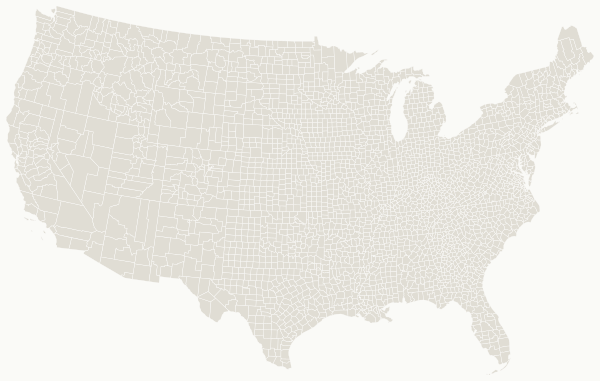
Polk County is located in the central portion of the U.S. state of Florida. The county population was 725,046 in the 2020 census, and was estimated to be 818,330 in July 2023. Its county seat is Bartow, and its largest city is Lakeland. Polk County comprises the Lakeland–Winter Haven metropolitan statistical area (MSA). This MSA is the 77th-most populous one and the 89th-most populous primary statistical area of the United States as of July 1, 2012.
Prepper Assessment
Living in this area offers a warm subtropical climate with an annual mean temperature of 73.0°F and an average rainfall of 52.6 inches per year, suitable for a variety of crops in USDA zone 10b. The terrain is mostly flat, with significant urban development, resulting in a population density of 437.9 people per square mile, which may limit the sense of remoteness. The growing season is long, but the high humidity and heat during summer could pose challenges for some crops and livestock.
Polk County faces significant natural hazards, with strong winds, lightning, and hurricanes all ranked at the top of FEMA's risk assessments. The disaster percentile is notably high at 97/100, indicating frequent severe weather events. While the area has a relatively low violence percentile of 22/100, the overall population density may lead to increased competition for resources. Additionally, the median home price of $215,700 may be a barrier for those seeking affordable housing.
This county may be suitable for individuals or families who prioritize a warm climate and have the resources to navigate the risks associated with severe weather. Those with experience in disaster preparedness and resilience may thrive here. However, the high density and frequent natural hazards could be dealbreakers for more isolated living preferences or for those unaccustomed to storm preparedness. Urban homesteaders or those with flexible work arrangements could find opportunities here, but traditional rural homesteading may be more challenging.