
Bell County, KY
23,568 residents · 359 sq mi · 65.6/sq mi · 59% rural
About Bell County
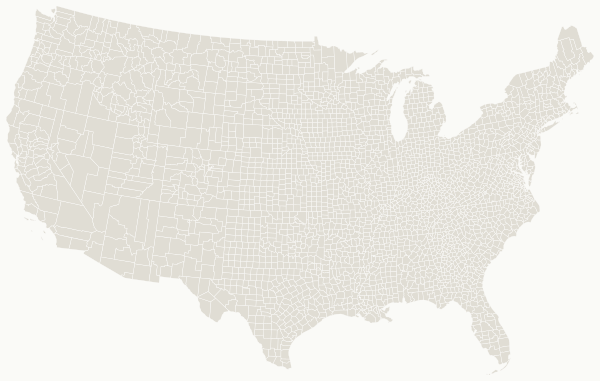
Bell County is a county located in the southeast part of the U.S. state of Kentucky. As of the 2020 census, the population was 24,097. Its county seat is Pineville and its largest city is Middlesboro. The county was formed in 1867, during the Reconstruction era from parts of Knox and Harlan counties and augmented from Knox County in 1872. The county is named for Joshua Fry Bell, a U.S. Representative. It was originally called "Josh Bell County", but on January 31, 1873, the Kentucky legislature shortened the name to "Bell".
Prepper Assessment
Living in this area offers a mix of rural charm and natural resources, with 59% of the population classified as rural. The climate is characterized by an annual mean temperature of 55.1°F and an average rainfall of 53.5 inches, supporting a growing season suitable for a variety of crops. The USDA hardiness zone 8b indicates potential for diverse gardening, though terrain may vary. Access to water is generally good due to the humid classification, but the risk of landslides and flooding should be taken into account.
The county faces several natural hazards that could impact self-sufficient living, notably landslides (FEMA rank 89) and riverine flooding (rank 82). The area also experiences cold waves and winter weather, which can affect agricultural activities. While the population density is relatively low at 65.6 people per square mile, the violence percentile at 63 indicates a moderate level of concern regarding safety. Economic factors include a median household income of $33,658 and a low median home price of $76,700, but the cost of living may still pose challenges.
This area may suit individuals seeking a rural lifestyle with a focus on agriculture and self-sufficiency, particularly those comfortable with the risks of natural hazards. However, those who prioritize safety and a more stable economic environment might find the county less appealing. A significant dealbreaker for some could be the potential for landslides and flooding, while a hidden gem might be the affordability of housing, allowing for investment in land and self-sustaining projects.