
Lewis and Clark County, MT
73,832 residents · 3,458 sq mi · 21.3/sq mi · 26% rural
About Lewis and Clark County
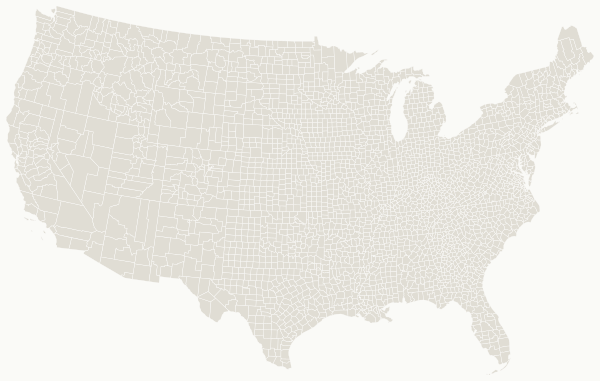
Lewis and Clark County is a county located in the U.S. state of Montana. As of the 2020 census, the population was 70,973. Its county seat and most populous city is Helena, the state capital. The numerical designation for Lewis and Clark County is 5. The county was established on June 2, 1865, as one of the nine original counties of the Territory of Montana named Edgerton County in honor of Sidney Edgerton, first Governor of the Territory of Montana, and was renamed Lewis and Clark County on March 1, 1868, in honor of explorers Meriwether Lewis and William Clark. Lewis and Clark County is part of the Helena, Montana Micropolitan Statistical Area, and comprises the entirety of the Helena media market.
Prepper Assessment
Living in this area offers a mix of rural and urban environments, with a population density of 21.3 people per square mile. The climate is characterized by an annual mean temperature of 41.2°F and a growing season suitable for USDA zone 7b, allowing for a variety of crops. The county receives 22.3 inches of rain annually, supporting potential for self-sufficient living, though winter temperatures can drop to 15.2°F, which may challenge year-round agriculture.
The county faces several natural hazards, including a high risk of winter weather (FEMA rank 98) and wildfires (rank 93), which could impact living conditions and safety. The cost of housing is relatively high, with a median home price of $332,000, and the effective property tax rate is 0.85%. While the area has a lower violence percentile (70/100), the overall disaster percentile of 71 indicates a moderate level of risk from various natural threats.
This county may suit individuals or families seeking a balance of rural lifestyle and access to urban amenities, particularly those comfortable with the risks associated with winter weather and wildfires. Those who thrive here will likely be adaptable and prepared for seasonal challenges. However, the higher cost of housing could be a dealbreaker for budget-conscious preppers or those seeking a more affordable homesteading option.