
Durham County, NC
332,680 residents · 288 sq mi · 1,157.0/sq mi · 5% rural
About Durham County
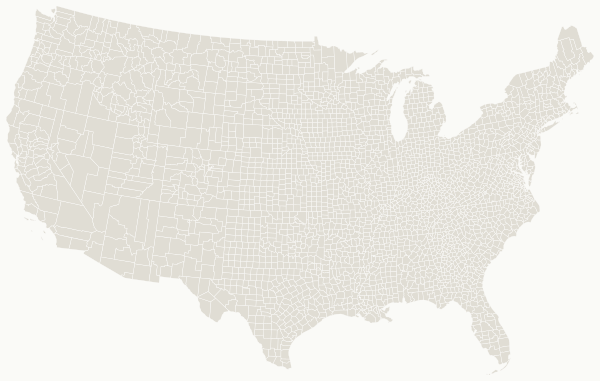
Durham County is a county located in the U.S. state of North Carolina. As of the 2020 census, the population was 324,833, making it the sixth-most populous county in North Carolina. Its county seat is Durham, which is the only incorporated municipality predominantly in the county, though very small portions of cities and towns mostly in neighboring counties also extend into Durham County. The central and southern parts of Durham County are highly urban, consisting of the city as well as several unincorporated suburbs. Southeastern Durham County is dominated by the Research Triangle Park, most of which is in Durham County. The northern third of Durham County is rural in nature. Durham County is the core of the Durham–Chapel Hill, NC Metropolitan Statistical Area, which is also included in the Raleigh–Durham–Cary, NC Combined Statistical Area, which had an estimated population of 2,368,947 in 2023.
Prepper Assessment
Living in this area offers a mix of urban and rural experiences, with a population density of 1,157 people per square mile, indicating a highly populated environment. The climate is humid, with an annual mean temperature of 59.4°F and 46.9 inches of rainfall per year, supporting a growing season suitable for various crops in USDA zone 8b. However, the limited rural percentage (5%) may restrict opportunities for extensive self-sufficient living and land access.
The county faces significant natural hazards, including high risks for heat waves, tornadoes, and riverine flooding, all ranked in the 90th percentile or above by FEMA. With a violence percentile of 43, this area is relatively safer compared to others, but the urban density may still pose concerns for some individuals. The median home price of $311,300 and an effective property tax rate of 0.93% can be challenging for those seeking affordable homesteading options.
This county may be a good fit for individuals who prefer proximity to urban amenities while still having some access to rural land. Those who thrive in a community with robust broadband access (80% subscription rate) may find it appealing. However, aspiring homesteaders seeking large plots of land for self-sufficiency may find the high density and urbanization a dealbreaker, limiting their ability to cultivate a truly independent lifestyle.