
Cocke County, TN
36,879 residents · 436 sq mi · 84.6/sq mi · 68% rural
About Cocke County
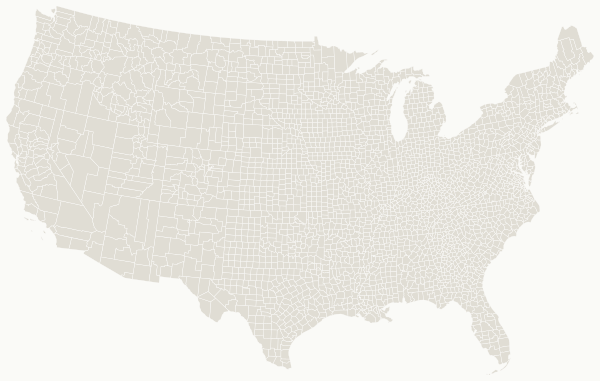
Cocke County is a county on the eastern border of the U.S. state of Tennessee. As of the 2020 census, the population was 35,999. Its county seat is Newport. Cocke County comprises the Newport, TN Micropolitan Statistical Area, which is part of the Knoxville-Morristown-Sevierville, Tennessee Combined Statistical Area.
Prepper Assessment
Living in this area offers a mix of rural charm and natural beauty. The county's terrain is predominantly hilly and forested, providing ample opportunities for self-sufficient living, particularly with its USDA zone 8b climate that supports diverse crops. With an annual mean temperature of 57.4°F and 50.7 inches of rainfall per year, the growing season can be productive, although the humidity may pose challenges for certain crops. Water availability is generally good, but the aridity index of 1.85 suggests that careful water management will be necessary.
However, potential residents should be aware of several natural hazards that could impact safety and livability. The county ranks high for landslide risk (95), which could affect property stability and accessibility. Earthquake risk is also notable at a rank of 77, while the area faces threats from lightning and riverine flooding. Additionally, the violence percentile is at 79, indicating a higher likelihood of crime, which may be a concern for some families or individuals. The cost of living is relatively affordable, with a median home price of $137,000, but the effective property tax rate of 0.68% should be considered.
This county may be a good fit for those seeking an affordable, rural lifestyle with a focus on agriculture and self-sufficiency. Individuals comfortable with the risks associated with natural hazards, and who have the skills to manage potential challenges, may thrive here. However, families or individuals looking for a low-risk environment with less crime and more urban amenities might find this area less suitable. The hidden gem for homesteaders could be the low property costs, but the trade-off is the need for preparedness against natural events.