
Essex County, VT
5,994 residents · 662 sq mi · 9.0/sq mi · 100% rural
About Essex County
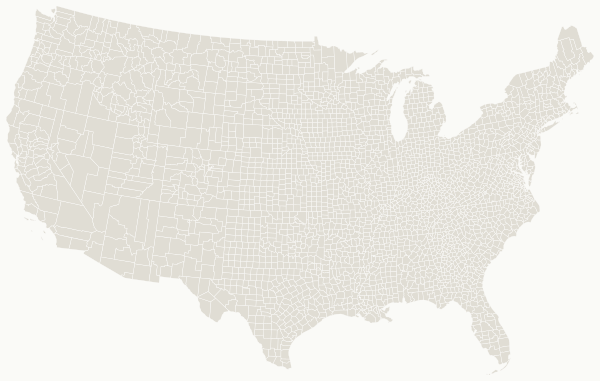
Essex County is a county located in the northeastern part of the U.S. state of Vermont. As of the 2020 census, the population was 5,920, making it the least-populous county in both Vermont and New England. Its shire town is Guildhall. The county was created in 1792 and organized in 1800. Bordered by the Connecticut River next to New Hampshire, Essex County is south of the Canadian province of Quebec. It is the county with the lowest household-income in Vermont.
Prepper Assessment
Living in this area offers a rural experience with a population density of 9.0 people per square mile, providing ample space for self-sufficient living. The climate is characterized by an annual mean temperature of 40.8°F, with a growing season typical for USDA zone 6a. Residents can expect 46 inches of rainfall per year, supporting diverse crop cultivation, though the winter lows of 4.3°F may limit certain agricultural activities during colder months. Access to water is reliable due to the humid classification, making it conducive for gardening and livestock.
However, there are notable risks to consider. The county has a FEMA disaster percentile of 3/100, indicating a low risk of natural disasters overall, but it does face specific hazards like landslides (ranked 60) and winter weather (ranked 44). The violence percentile at 34/100 suggests a relatively safe environment, but the low population density may lead to isolation. Additionally, the median home price of $151,200 is relatively affordable, though the county has the lowest household income in Vermont, which might affect economic stability.
This county may be a good fit for those seeking a quiet, rural lifestyle with opportunities for farming and self-sustainability. It is ideal for individuals or families who appreciate remoteness and are comfortable with the challenges of a cold climate. However, those who rely on a strong economic base or prefer urban amenities may find it lacking. A potential dealbreaker could be the limited broadband access, with only 60% of households subscribed, which may hinder remote work or online learning opportunities.