03 — Pillar · Survival
Expert guides and Q&A about arctic survival.
Q&A in this topic
60 total
GPS Devices are often unreliable in remote Arctic areas due to signal blocking by trees, mountains, and other natural obstacles. In addition, satellite signals
Yes, there are plants safe to eat in the Arctic, such as lichens, mosses, and certain species of grasses and berries, but they must be identified and prepared c
Yes, there are different types of snow shelters suitable for specific weather conditions, such as wind, snow depth, and temperature.
Hunting in Arctic areas is subject to strict regulations and permits, varying by country and region, with some areas closed to hunting altogether. Permits may b
The best materials for building snow shelters include snow blocks, branches, and a solid door to prevent wind and polar bear entry. Look for materials with a lo
To keep electronics functional in cold temperatures, use a battery-powered portable heater, insulate devices in a thermally conductive material, and store them
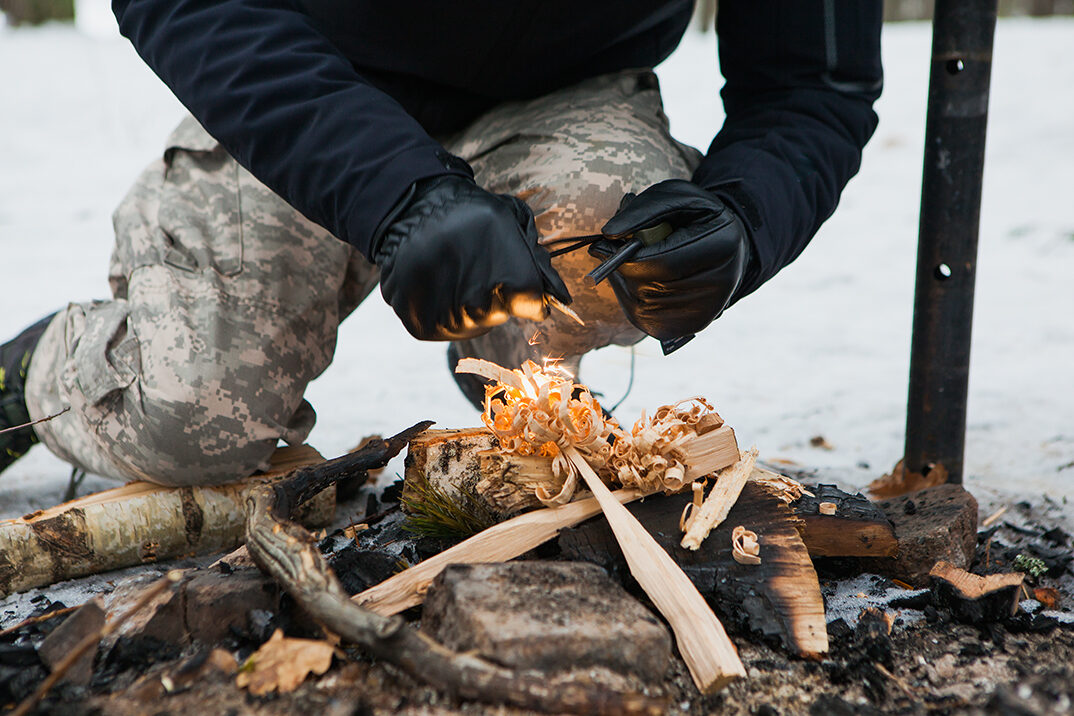
Heavy snow conditions make fire starting even more challenging due to moisture and cold temperatures. Using dry tinder and proper technique are crucial in these
To manage limited daylight hours in extreme cold environments, prioritize energy conservation, use light sources strategically, and maintain a routine that alig
For an Arctic expedition, pack high-calorie foods that are easy to consume, provide essential nutrients, and can withstand extreme cold temperatures. Consider n
For deep snow hiking, choose snowshoes with sturdy frames, durable materials, and large, floatation-packed surfaces. Look for adjustable bindings to accommodate
Frostbite can occur at temperatures above freezing due to wind chill, wet conditions, and prolonged exposure.
Polar bears can sense humans from a distance through their exceptional sense of smell and hearing. They can detect the scent of humans from up to 1.5 kilometers
Snow Compaction can significantly affect the weight of your shelter, potentially causing it to collapse or shift under the weight of snow and occupants.
In some Arctic regions, polar bear hunting is regulated and allowed, but it requires a special permit and typically only applies to indigenous communities or lo
Flares are not reliable for signaling in snow due to their short visibility time and inability to project a clear signal through heavy snowfall or clouds.
Relying on natural light during polar winter is highly unreliable, with as little as 4-6 hours of daylight in December and January at latitudes above 70°N. This
Surviving without a heat source in extreme cold is challenging, but possible with proper planning and knowledge. A person can last for several days with minimal
Ice conditions on lakes during winter can be unpredictable and unreliable, making it difficult to trust their safety for travel or crossing.
Store-bought frozen foods can be a reliable source of nutrition for long trips, but it's essential to choose items with a long shelf life and consider the limit
Reflectors can be used for winter navigation, but they are less effective than other methods in snowy and icy conditions. In areas with low visibility due to sn
Glacier conditions can significantly affect snow shelter stability, making it essential for survivalists to assess and adapt to their surroundings.
Survival blankets work effectively in extreme cold conditions by trapping body heat, reflecting radiant heat, and conserving moisture. They can significantly re
Wind chill matters significantly when considering shelter types in arctic survival. Extreme cold air can rapidly drain body heat, making shelter a vital compone
For arctic camping in winter months, essential gear includes a 4-season tent, a sleeping bag rated to -40°C, and a portable snow shelter, as well as warm clothi
Communicate Your Location to Rescuers by signaling with bright colors, using flares or mirrors, and establishing a visible pattern with footprints or markers, i
To determine if ice is thick enough to walk on, look for a minimum of 4 inches (10 cm) of clear ice, check for dark or powdery patches, and test its thickness w
Polar bears judge their hunting success by detecting the heart rate and breathing patterns of seals, their primary source of food, through their keen sense of s
Fatigue significantly impairs decision-making in limited daylight, often leading to poor judgment and increased risk of accidents or fatalities in extreme envir
You can stay outside in cold temperatures for about 30 minutes to 1 hour before risking frostbite, depending on the wind chill, your clothing, and your physical
In ideal conditions, a skilled individual can survive up to 7-10 days in a well-insulated snow shelter, assuming adequate food, water, and physical activity. Ho
In extreme cold conditions, a person's ability to survive without food is significantly prolonged compared to temperate climates. Under such conditions, the bod
Build a snow shelter quickly by creating a pit, walling it with blocks of snow, and covering the roof with a layer of packed snow. This structure provides insul
When selecting a location for a snow cave, choose a spot with adequate snow depth, a relatively flat surface, and proximity to a water source. Avoid areas with
Create a signal for rescue in the Arctic by building a fire using dry wood and green leaves, which can burn for up to three hours without water, and by using mi
To find food sources during an Arctic emergency, identify edible plants, hunt small game like rabbits and birds, and fish in streams and rivers. Look for areas
To identify polar bear signs in the wild, look for tracks, scat, digging, and scratching on rocks or trees, as well as recent hunting activity such as whale or
To maintain equipment performance in extreme cold, use insulated storage, regularly lubricate moving parts, and keep devices away from moisture. This helps prev
Maintaining mental health during long Arctic nights requires establishing a regular routine, staying connected with others through communication, and engaging i
To make a fire efficiently in snowy conditions, start by selecting a protected area with some windbreak, then gather dry tinder and kindling, and use a fire sta
To make a snow anchor for tents or gear, dig a hole 1-2 feet deep and 2-3 feet wide, then pack the snow around a sturdy object like a ski pole or a hiking pole,
Utilize daylight hours to prioritize essential tasks such as building shelter, starting a fire, and hunting for food. Allocate time for rest and recovery to avo
Optimizing visibility in low-light Arctic environments is crucial for survival, especially when traveling through snow-covered terrain or navigating near wildli
Packing your gear for efficient Arctic travel involves carefully selecting essential items and organizing them in a logical manner to minimize weight and maximi
To prevent your water supply from freezing, use insulation, heating methods, and consider using a water purification system to access clean, unfrozen water.
To protect your skin from cold-induced injuries, wear layers of breathable, moisture-wicking clothing, and maintain a dry environment. This includes wearing a h
To recognize dangerous ice thickness for travel, look for signs of weakness, such as cracking, honeycombing, or dark spots, and use a measuring tape to check fo
Securing food supplies from wildlife in the Arctic is crucial for survival. You can hunt small game like arctic foxes, rabbits, and birds, but be prepared for e
SELECTING THE RIGHT SLEEPING BAG FOR ARCTIC USE REQUIRES CONSIDERING THE EXTREME COLD TEMPERATURES AND LIMITED DAYLIGHT THE REGION PROVIDES. A HIGH-QUALITY SLEE
Traveling on ice in the Arctic winter requires careful planning, specialized gear, and a deep understanding of the environment. Wear layers to maintain body hea
To stay warm using thermoregulation techniques, focus on minimizing heat loss, generating body heat, and conserving energy in extreme cold environments. Layer c
When building an emergency snow shelter in a snow-covered area, seek a location that protects you from wind, polar bears, and extreme cold, ideally near a natur
Cooking outside is safer than inside a snow shelter because it allows you to maintain a safe distance from the heat source and potential carbon monoxide buildup
Frostbite is more likely to occur in windy conditions due to the reduced blood flow to extremities and increased heat loss through evaporation from the skin.
Insulating clothing is not enough for Arctic survival; it must be combined with other essential elements such as a warm shelter, proper nutrition, and knowledge
Carrying extra batteries for gadgets is crucial in arctic survival, as limited daylight and extremely cold temperatures can quickly drain your devices' power, p
Layering clothing is essential for Arctic conditions as it allows for temperature regulation and prevents heat loss.
In extreme cold, it's essential to carry a reliable navigation tool, but a GPS may not be the best choice. Consider a compass instead, as GPS devices may drain
Yes, it is possible to navigate without a compass in polar regions, but it requires knowledge of celestial navigation, use of landmarks, and observation of natu
Yes, it is possible to overheat in insulated clothing, particularly when engaging in strenuous activities or being in a warm environment after prolonged exposur
It is generally safe to drink melted snow as water, but it's crucial to purify it first to avoid waterborne pathogens, especially in areas prone to pollution or