03 — Pillar · Survival
Expert guides and Q&A about cold hypothermia prevention.
Q&A in this topic
60 total
Gaiters can be moderately effective for keeping feet dry in snow, but they are not a substitute for waterproof footwear or gaiter-compatible gators. When used i
Personal flotation devices can be useful in preventing hypothermia as they help keep the body out of cold water, reducing heat loss and exposure to cold stress.
Yes, specific hikes are more prone to hypothermia risks in winter due to factors like high elevation, long duration, and wind exposure, which can accelerate hea
Yes, there are significant ethical considerations for rescues in winter conditions, including prioritizing the risk of rescue over the risk of exposure, and min
Certain breeds of dogs, such as small, old, and thin dogs, are more prone to hypothermia due to limited body fat reserves and a higher surface-to-weight ratio.
Avoid consuming high-caffeine or high-sugar foods during hypothermia risk, as they can cause rapid fluctuations in blood sugar levels and exacerbate dehydration
Yes, certain outdoor activities are higher-risk for hypothermia due to prolonged exposure to cold temperatures, wind, and water. Activities such as swimming, ka
The best emergency blanket types for cold weather are space blankets, bivvy sacks, and down insulation blankets, due to their lightweight, compact designs, and
For cold weather, the best fabrics for moisture-wicking are synthetic materials like polyester and nylon, as well as wool and silk, which retain warmth even whe
When warming a hypothermia victim, remove wet clothing, provide passive heat through warm bedding and air, and use warm liquids, but avoid hot water immersion o
A good shelter must be waterproof and provide adequate insulation, such as a two-person, four-season tent with a waterproof and breathable fabric, or a snow she
To dry gear quickly in the outdoors, use wind-aided drying, avoid heavy dew or rain, and prioritize drying the inside of gear. Hang gear in a sheltered location
A tent can provide some protection against hypothermia, but its effectiveness largely depends on the quality of the tent, the wind and rain conditions, and the
High humidity levels can increase hypothermia risk, particularly in cold temperatures, as the body loses heat more quickly in damp conditions.
Hypothermia can significantly affect cognitive abilities while navigating, impairing the ability to make sound decisions and increasing the risk of accidents. I
Hypothermia can severely impair a person's judgment and decision-making abilities, making them more susceptible to accidents, poor choices, and increased risk o
Hypothermia can occur during vigorous exercise in wet conditions due to excessive heat loss from evaporation, conduction, and convection. This is heightened in
Hypothermia can occur in summer if an individual is wet, as the evaporation of water from the skin can cool the body. Even in warm temperatures, wet clothing ca
Hypothermia can occur indoors during power outages, particularly in unheated or poorly insulated buildings with inadequate insulation, windows, or doors.
Layering can significantly help prevent hypothermia during outdoor activities by trapping warm air between layers and reflecting body heat back to the skin.
Thermal blankets can be effective for preventing hypothermia when used in conjunction with other survival techniques and in specific conditions.
Wool socks can improve warmth when wet due to the unique properties of wool fibers that retain some level of insulation even when saturated.
Wet gear can cause hypothermia even in mild temperatures because it allows moisture to evaporate, cooling the body through the process of evaporative cooling. T
Yes, it's possible to develop hypothermia while sleeping in a cold tent, especially if not enough insulation or proper gear is used to maintain a body heat leve
Yes, drowning can occur due to hypothermia in cold water, as it can impair a person's ability to swim and stay afloat.
If rescued immediately, chances of survival from hypothermia are significantly increased, but the extent of treatment required will depend on the severity of hy
Electric heated vests can be an effective tool in preventing hypothermia, but their ability to do so depends on several factors including the user's activity le
Heavy rains indeed worsen the risk of hypothermia during hikes due to increased exposure to cold water and wind.
Insulated gloves can help prevent hypothermia by reducing heat loss from the hands, a common site for cold-induced hypothermia.
Alcohol consumption is a hindrance in hypothermia treatment as it impairs judgment, increases caloric expenditure, and causes dilated blood vessels, which accel
Body size influences susceptibility to hypothermia, with smaller individuals typically being more vulnerable due to their lower body mass and surface area to vo
Hypothermia treatment for adults and children differs due to differences in body surface area, metabolic rate, and body composition. Children, especially newbor
Layering can increase the risk of overheating if not managed properly, particularly in warm or temperate environments, as it can trap heat and moisture, leading
Yes, terrain significantly affects the likelihood of hypothermia in winter, especially in areas with wind, snow, and cold temperatures.
Yes, the color of clothing can affect heat absorption in cold conditions, with darker colors absorbing more heat than lighter colors due to their increased abso
A hypothermia survival kit should include essential items such as a warm hat, insulated gloves, a space blanket, a bivvy sack, hand and foot warmers, a first ai
Using a thermos can contribute to warmth retention by maintaining the heat of liquids, such as hot water or soup, for several hours. This can be especially bene
Waterproof gear can help in preventing hypothermia by keeping you dry in wet conditions, which slows down heat loss from the body.
Hypothermia symptoms in children can progress rapidly, starting with shivering, pale skin, and drowsiness, and worsening to confusion, loss of coordination, and
Clothing insulation is a crucial factor in the body's ability to retain heat. Properly insulated clothing helps to prevent heat loss by trapping warm air next t
Layering is crucial in cold, wet weather as it allows for effective heat retention. Wearing multiple thin layers of clothing helps to trap warm air, reducing he
Wet shock and hypothermia are distinct conditions that occur in cold environments, but they have distinct differences. Wet shock refers to the rapid onset of hy
Wind chill increases the risk of hypothermia by stripping the skin of its natural layer of warmth and accelerating heat loss. This occurs when wind blows over t
Moisture management is crucial in cold weather as it prevents heat loss through evaporation, reduces the risk of hypothermia, and keeps the body dry and warm.
Hypothermia can set in within 30 minutes to 1 hour of exposure to rain in wet clothing. The onset is faster in windy and cold rain. Body temperature drops rapid
To stay dry on a winter camping trip, pack layers of breathable clothing, waterproof gear, and a waterproof jacket or poncho. Include a change of dry clothes in
Educate children on dressing in layers, staying dry, and seeking shelter when wet or cold, and encourage them to let you know if they feel uncomfortable or shiv
Wear a properly fitting wetsuit or dry suit, stay dry, and avoid prolonged exposure to cold water. Monitor your body temperature and take regular breaks in warm
To quickly evaluate someone for hypothermia, look for shivering, confusion, drowsiness, or slurred speech, and check their body temperature with a digital therm
Recognizing the early stages of hypothermia is crucial, as it can be fatal if left unchecked. Early signs may include shivering, confusion, and difficulty speak
To teach others about hypothermia prevention tactics, emphasize the importance of dressing warmly, staying dry, and conserving energy. Demonstrate proper layeri
Short Answer: Hypothermia and exhaustion can be difficult to distinguish, but hypothermia is characterized by shivering, confusion, and poor coordination that w
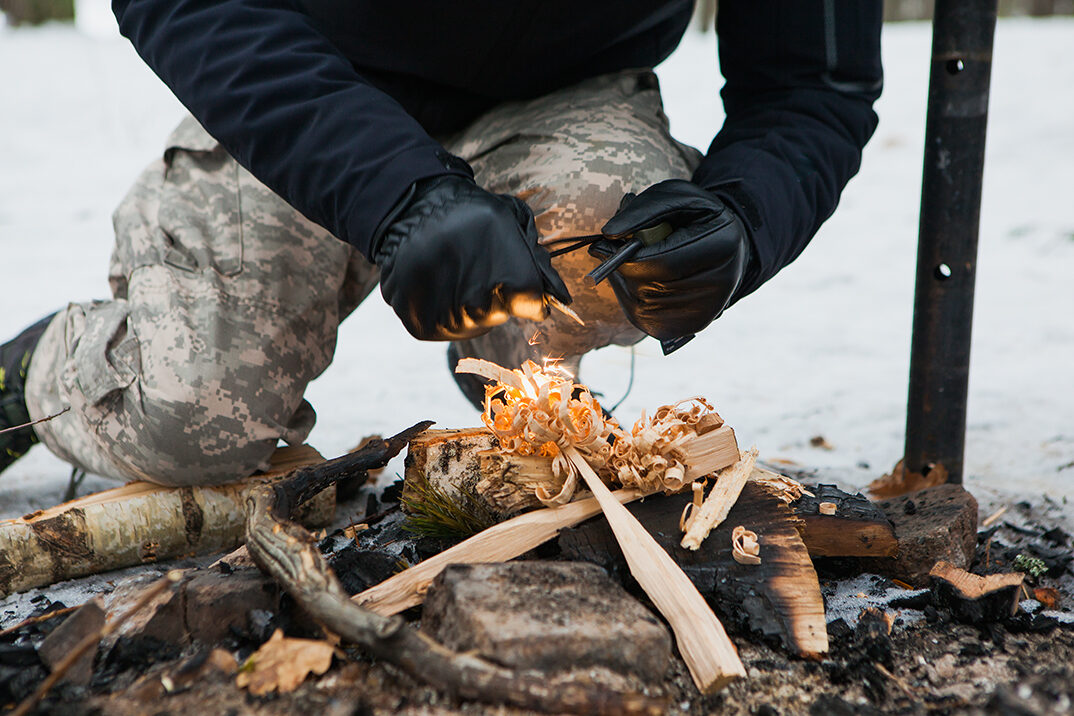
To stay warm in the wild, use natural resources such as fire, animal fur, and body insulation. Build a fire to provide heat, use animal fur to create a warm bed
While a fire can provide warmth, it's not the best way to warm someone with hypothermia due to the risk of burns and the difficulty in maintaining a consistent
Cotton clothing is not the safest choice in cold, wet conditions. It can wick moisture away from the skin, but it does not dry quickly and can become heavy and
Yes, windy conditions increase the risk of hypothermia due to increased heat loss through convection and evaporation of sweat.
When hypothermic, it is generally beneficial to stay still to conserve body heat, as movement increases heat loss. Staying still can help slow down the progress
Leaving an injured person behind in cold weather is not an ethical decision due to the high risk of hypothermia and death. Hypothermia can set in within 30 minu
Wearing a hat is not necessary to prevent heat loss in most cases, as the majority of body heat loss occurs through the head when it's extremely cold, but other
In extreme cases, non-professional hypothermia reversal requires immediate action, but it's crucial to know the limits and risks involved. Mild cases might be r