03 — Pillar · Survival
Expert guides and Q&A about cordage bark stripping.
Q&A in this topic
60 total
Certain barks can pose health risks when handled or ingested, particularly the inner bark of certain trees like poison oak and poison ivy, which can cause skin
Bark cordage can be a viable option for survival needs, but its strength and durability may vary depending on the type of bark and the technique used to strip a
Bark stripping is a crucial cordage technique that involves removing the bark of a tree in thin strips to create usable cordage. As a beginner, it's essential t
To strip bark effectively for cordage, use a sharp blade or a flint to make shallow cuts along the length of the bark, then peel it back in the direction of gro
To create strong cordage from twisted bark, start by selecting the right tree species, typically those with thick, fibrous bark like cedar, cypress, or willow.
Yes, bark can be stripped from live trees without harm if done correctly. This process, known as de-barking or peeling, involves removing only the outer layer o
Bark cordage can be reused after being wet, but its durability and effectiveness will decrease significantly. The number of reuses is limited, and the bark may
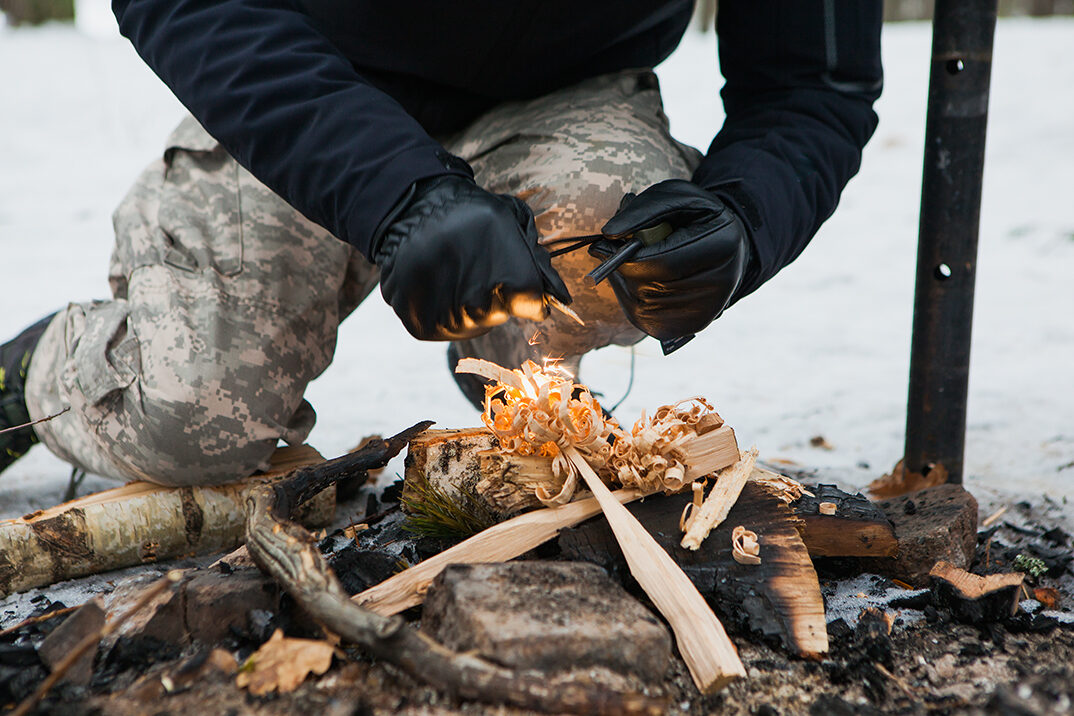
Bark cordage can be used as a tinder material for fire starting techniques due to its high cellulose content which aids in easy ignition.
Bark cordage can be used for fishing gear, but it requires preparation and treatment to make it suitable for use in water. Bark cordage is generally not waterpr
Bark cordage can be used for traps or snares, specifically for simple snare designs that rely on the tension created by a loop or noose. This type of cordage is
Bark cordage can hold up under heavy loads if properly prepared, stripped from the right tree species, and constructed with care.
Cordage made from bark can be used for climbing, but its effectiveness depends on the type of tree and bark, as well as the condition of the cordage. A sturdy b
Combining bark from different trees for cordage is possible, but the results may be inconsistent in quality and durability. The best results come from using bar
Decorative designs with bark cordage can be created using various techniques such as wrapping, braiding, and knotting.
Yes, you can dye bark cordage for camouflage, but the process can be time-consuming and requires some planning.
MIXING different types of bark for cordage is generally acceptable but can be unreliable for producing consistent quality. The success of mixed-bark cordage dep
Bark cordage can be stored for future use but requires proper preparation and maintenance to prevent spoilage.
Stripping bark from trees without damaging the tree's health requires a delicate approach, and in most cases, it's best to avoid stripping bark altogether, espe
Bark cordage can be used to assist with climbing or securing gear, but it's essential to understand its limitations and proper preparation techniques to ensure
You can use bark cordage for fishing lines, but it's essential to choose the right type of bark and prepare it properly to achieve the desired strength and dura
Yes, you can use bark cordage for landscaping projects, such as creating garden ties, plant supports, or decorative accents.
Yes, you can use bark cordage for securing shelter, but it may not be as durable as other materials.
Bark cordage can be a vital component in shelter construction, providing a reliable material for tying beams together or securing roofing materials. It is essen
Bark cordage can be used for constructing trap lines, but it may not hold up to heavy loads or harsh weather conditions for extended periods.
Bark cordage can be a reliable source of rope in emergency situations, providing a sustainable and renewable material for binding, securing, and creating makesh
Bark cordage can be used in fishing expeditions, but it requires preparation and patience. To make effective bark cordage, you'll need to strip the bark of spec
You can use bark from dead trees for cordage, but it's not ideal due to its tendency to dry out and become brittle over time. The bark of certain species, like
Cedar bark can be used to make stronger loops, but it requires careful processing and preparation. The inner bark, which is rich in lignin and cellulose, is par
Cedar can be used to make cordage, but it's not the most ideal choice due to its resin content and potential for attracting insects.
Cedar cordage is relatively durable in wet conditions, but its resistance to moisture and decay depends on how it is processed and maintained. Cedar is a conife
Cedar cordage is generally considered safe for food and cooking use, but it's essential to follow proper preparation and handling techniques to minimize potenti
Cedar bark is less flexible than willow bark, making it less suitable for cordage, rope, or other types of binding where a high degree of flexibility is require
Bark cordage can be used to build traps but it may not be the most ideal material due to its relatively low durability and tensile strength.
To determine the quality of bark cordage, inspect the fiber length, strength, and texture. High-quality bark cordage is typically made from long, thin fibers wi
The season influences bark harvesting due to varying moisture levels and tree sensitivity. Spring and fall are ideal seasons for stripping bark, as the sap flow
Weather conditions can significantly impact the effectiveness of bark stripping techniques, as excessive moisture can cause the bark to become brittle and diffi
Bark cordage can last for approximately 1-3 years in storage when properly dried and maintained, but its durability and lifespan depend on various factors, incl
SHOULD_SOAK_BARK: Soak bark in water for 2-12 hours for easier stripping, depending on the type of bark and desired outcome. Harder, denser barks may require lo
To make a length of cordage, about 5-10% of bark is typically needed, which translates to around 1-2 strips per branch, with each strip being about 1/4 inch wid
Making bark cordage can be done in as little as 30 minutes for a small quantity, but a more substantial supply may take several hours.
To care for your bark cordage after use, rinse it with cold water to remove dirt and debris, then dry it flat to prevent warping or rotting. Regular conditionin
Choose willow for its flexibility and water resistance, ideal for cordage and shelter construction. Cedar is a better choice for its aromatic properties and dur
Creating a loop with bark cordage requires patience, practice, and the right techniques. This can be achieved by stripping the bark from a suitable tree, such a
To gather bark without damaging the tree, use a sharp knife or a specialized bark stripper to make clean cuts and avoid tearing the bark from the trunk. Strip o
Identify trees with flexible, fibrous, and relatively thin bark that can be easily stripped, such as willow, alder, and cedar, which are ideal for bark cordage.
To identify when bark is ready for stripping, look for bark that is 1/4 inch to 1/2 inch thick, has a smooth, even texture, and is free of knots or other imperf
To improve your skills in bark stripping and twisting, practice regularly, identify the right tree species, and develop a consistent stripping technique. Focus
To make a simple jig for stripping bark, use two wooden or metal stakes and a flexible branch or wire to create a tension-based system for holding the branch in
To make a simple tool for bark stripping, you can use a long, thin, flat piece of wood, such as a branch, and sharpen one end to create a scraper. Attach a cord
To repair a broken bark cordage without tools, you can use the \
To test the strength of your bark cordage, create a loop with the cord and hang a light object from it, such as a small rock or a metal washer. Pull the object
Weakness in your bark cordage can be caused by improper stripping, inadequate drying, or insufficient twisting. To troubleshoot, inspect the cord for signs of d
Bark cordage is generally biodegradable and safe for nature as it is made from natural, plant-based materials.
Bark cordage may not be suitable for all weather conditions due to its susceptibility to water damage. It can become weak and brittle when exposed to prolonged
Soaking bark before stripping can be beneficial for some types of bark, but it's not a universal practice. Soaking can make the bark more pliable and easier to
It is legal to harvest bark for cordage in some states, but regulations vary significantly from one state to another. In general, it is wise to familiarize your
Harvesting bark in national parks is generally prohibited, as it can cause damage to trees and disrupt the natural ecosystem, but some exceptions may apply for
Removing the inner bark is not always necessary for cordage. The outer bark, also known as phloem, is sufficient for most cordage needs and can be stripped more
Pine bark can be used to make cordage, but it is not the most ideal material due to its relatively low tensile strength and durability.
Yes, it is possible to make cordage with tree sap, although it may not be as durable as cordage made from plant fibers or other materials.