03 — Pillar · Survival
Expert guides and Q&A about firstaid evacuation decisions.
Q&A in this topic
60 total
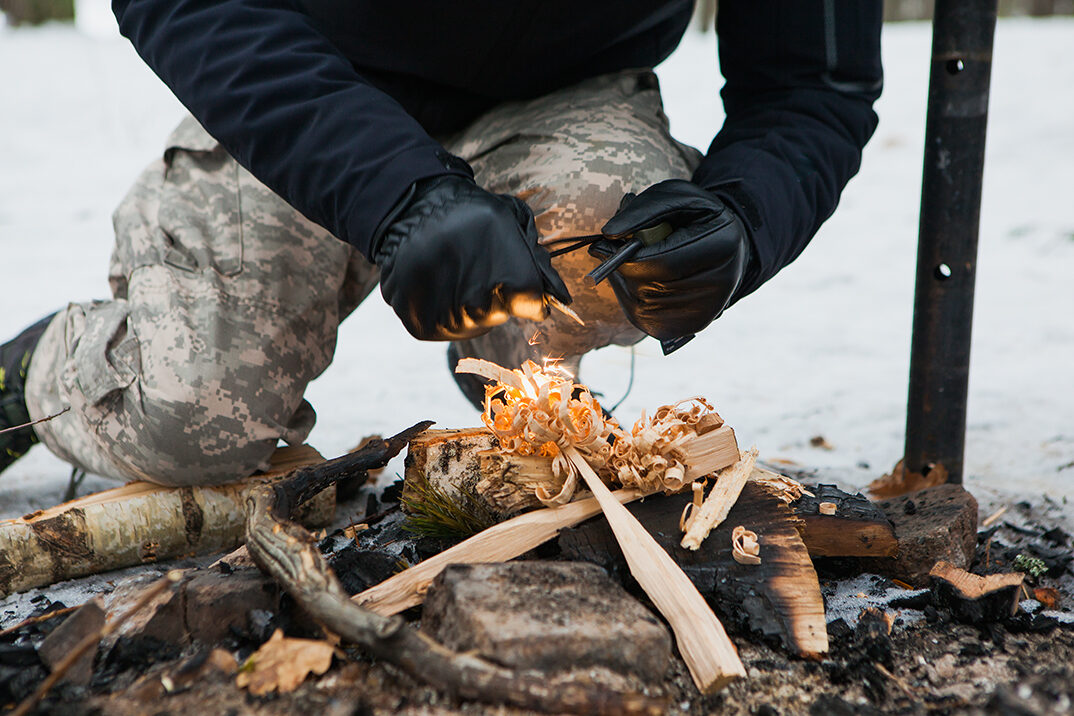
Using fire for signaling during evacuation requires guidelines to ensure safety and effectiveness.
When assessing equipment weight for a successful evacuation, consider leaving behind non-essential items that weigh over 5 pounds and are not critical for immed
Assess the terrain, water sources, and potential hazards such as wildlife or steep slopes before making an evacuation decision to ensure a safe route and minimi
When assessing terrain challenges during wilderness evacuations, it's crucial to avoid steep slopes, loose or slippery terrain, and areas with standing water, a
Assessing the risk of returning to your camp after a threat involves evaluating the situation, your skills and equipment, and potential consequences. Consider f
Assessing the severity of a wildlife threat for evacuation decisions involves evaluating the species, its behavior, and the potential harm it poses to humans. F
Assess your location's risk for natural disasters by looking for signs such as flood-prone areas, landslides, and geologically unstable ground. Check for any hi
The best communication devices for emergencies in the wild are satellite phones, two-way radios with GPS, and personal locator beacons (PLBs). These devices pro
To signal for help during an evacuation, use a smoke signal during the day, a whistle or flares at night, and create a visible trail with a brightly colored obj
When in bear country, prepare for evacuation by carrying bear-resistant containers and knowing the nearest escape routes, while also staying alert for any signs
When evacuating with limited resources, prioritize speed, safety, and self-preservation, using basic first aid, navigating by landmarks or compass, and conservi
CARRYING A PERSONAL LOCATOR BEACON CAN IMPROVE EVACUATION SAFETY BY ENABLING FIRST RESPONDERS TO QUICKLY LOCATE THE INDIVIDUAL IN THE EVENT OF AN EMERGENCY. ---
Delaying evacuation for minor injuries in the wild is generally not recommended, as it increases the risk of serious complications and hinders recovery. Minor i
Technology can significantly enhance safety during wilderness evacuations by providing critical information, improving communication, and streamlining the evacu
Weather conditions can significantly influence wilderness evacuation decisions, as severe weather can hinder evacuation efforts, increase the risk of injury or
Wildlife behavior can indeed help assess evacuation risk by providing early warning signs of natural disasters, such as forest fires or floods. Monitoring anima
Assess the severity of the injury, consider the availability of medical facilities and trained personnel, and prioritize life-threatening conditions to make an
In survival situations, rapid evacuation often works better than slow withdrawal, as it can prevent further injury, reduce the risk of exposure to harsh weather
Communicating risks before evacuation involves disclosing potential hazards, explaining emergency protocols, and outlining evacuation procedures to ensure infor
Danger signs indicating a predator attack during evacuation include sudden growling or hissing sounds, visible body language such as raised hackles or exposed t
SHOULD EVACUATE: If you're in a high-risk area, such as near a wildfire or in a flood zone, evacuation may be the safest option. Monitor the situation closely a
Determine the severity of a wilderness injury by looking for signs such as difficulty breathing, severe bleeding, or altered mental status. Other key signs incl
GPS devices can improve evacuation outcomes in wilderness emergencies by providing accurate location information and enabling rescue teams to locate the strande
Signal mirrors help during an evacuation scenario by reflecting sunlight towards potential rescuers, increasing their chances of seeing you and directing them t
Terrain types significantly influence evacuation speed, with difficult terrain causing evacuees to move at approximately 1-2 kilometers per hour.
When ascending to high altitudes, the air pressure decreases, leading to lower oxygen levels. This can significantly impact evacuation decisions, as individuals
Develop an emergency evacuation plan for off-grid living that includes a primary and secondary exit route, a meeting point outside the property, and a designate
Evaluating mental readiness for an emergency evacuation is crucial to ensure you can make rational decisions under stress, avoid panic, and prioritize your safe
Assess your physical capabilities, medical conditions, and gear carrying abilities when evaluating your personal fitness for a wilderness evacuation, which requ
To evaluate the severity of a flood risk for evacuation, consider factors such as water depth, flow rate, and potential damage to structures. Determine the floo
When sudden weather changes occur, it's crucial to evaluate the urgency of the situation to ensure timely evacuation and minimize risk. Assess the weather condi
Seasonal changes significantly impact evacuation planning, requiring adjustments in response to extreme weather conditions, resource availability, and infrastru
Altitude sickness affects evacuation decisions by requiring careful consideration of the individual's health and the available transportation options. Evacuatio
Assess a medical emergency's urgency in the field by evaluating the patient's vital signs, including pulse, breathing rate, and level of consciousness, and cons
Assess the severity of an injury in the wild by looking for signs of bleeding, difficulty breathing, severe pain, or loss of motor function, and then triage the
Assess your capacity to carry gear by weighing the weight and bulk of your emergency kit against your physical ability to move, considering factors like age, mo
Create an evacuation checklist by identifying potential hazards, listing emergency contact numbers, and outlining steps for evacuation, including transportation
Assess a trail's safety for evacuation by evaluating terrain, weather, and potential hazards such as steep slopes, fast-moving water, and wildlife. Check for si
Ensure minimal risk during nighttime evacuation by maintaining a steady pace, staying alert, and following a pre-determined route. Use a reliable light source a
Evaluate the risks of climbing during evacuation by assessing terrain, weather, and physical condition, then weigh the benefits against the potential consequenc
Evaluate your route by choosing a path with minimal obstacles, visible landmarks, and a clear escape from potential hazards such as steep slopes or fast-moving
To handle emotional stress during an evacuation, prioritize breathing exercises, maintain a clear communication channel with fellow evacuees, and focus on the p
In regions with limited access routes, evacuations often require strategic planning, and emergency responders must rely on alternative routes and creative solut
Identify safe zones by looking for elevated areas, such as rooftops or ridges, that can provide a clear view of the surroundings. Consider the terrain, avoiding
Prepare children mentally for emergency evacuations by explaining the situation in simple terms, reassuring them of safety, and practicing evacuation drills wit
When evacuating with children, prioritize their safety and well-being by ensuring they are close to a trusted adult, using a meeting point system, and consideri
SHOCK SYMPTOMS IN WILDERNESS INJURY: RECOGNIZE THESE SIGNS: pale skin, cool extremities, rapid or weak pulse, shallow breathing, confusion, or loss of conscious
A worsening situation can be recognized by changes in weather, increased animal activity, rising water levels, and deteriorating air quality, which can signal e
Recognizing when it's too late to evacuate safely involves assessing the situation's severity, such as extreme weather conditions, rising water levels, or build
Staying calm during an evacuation crisis involves taking slow, deliberate breaths, focusing on the present moment, and trusting in your preparedness and evacuat
Natural landmarks can serve as reliable references for navigation during evacuation. To utilize them effectively, locate distinctive features such as rivers, mo
Utilize landmarks and natural features to guide direction and location during an evacuation. Observe the position of the sun to estimate time and direction, and
Weigh the risks of staying versus evacuating by considering the severity of the threat, available resources, and personal experience, then make a decision based
Hypothermia can severely impair evacuation decision-making skills, leading to critical errors in judgment, disorientation, and reduced ability to assess and res
Life-threatening injuries in the wilderness are often characterized by severe bleeding, difficulty breathing, or a loss of consciousness. These symptoms may be
A quick exit is not always the safest wilderness decision, as it may lead to further injury or complications if the situation is not properly assessed.
Carrying a first aid kit is a crucial component of any evacuation plan, providing essential medical supplies to treat injuries and prevent further harm.
Group decision-making can be more effective during evacuations by leveraging diverse perspectives, expertise, and communication, leading to more informed and ti
Evacuating with pets in the wilderness is advisable in emergency situations, but it requires careful planning and execution to ensure the safety of both humans
Scouting a new route before evacuation can be beneficial but also has risks, such as exposure to danger or further dehydrating the individual. A thorough assess