03 — Pillar · Survival
Expert guides and Q&A about firstaid hypothermia treatment.
Q&A in this topic
60 total
Yes, there are several myths about hypothermia treatment, including the idea that rewarming too quickly can lead to additional health complications or even deat
Yes, there are ethical concerns when sharing body heat, as it can involve physical intimacy and potentially compromise personal boundaries, particularly in emer
Rewarming can be aided by consuming foods high in calories and carbohydrates, such as energy-rich snacks, to help restore body heat. Some specific options inclu
Yes, regulations regarding forest shelter construction exist in many countries and jurisdictions to prevent environmental degradation and ensure public safety.
Risks associated with using multiple heating sources can lead to burns, carbon monoxide poisoning, and increased fuel consumption, which can be detrimental for
Yes, there are specific foods to avoid during rewarming to prevent complications. High-fiber foods can slow gut motility, hindering the absorption of vital nutr
Wool provides natural insulation, wicking moisture away from the skin, and retaining warmth even when wet. Its breathability and thermal properties make it idea
The best emergency blanket for survival kits is the SOL Escape Bivvy or the REI Co-op Emergency Bivvy, both of which provide reliable warmth and protection from
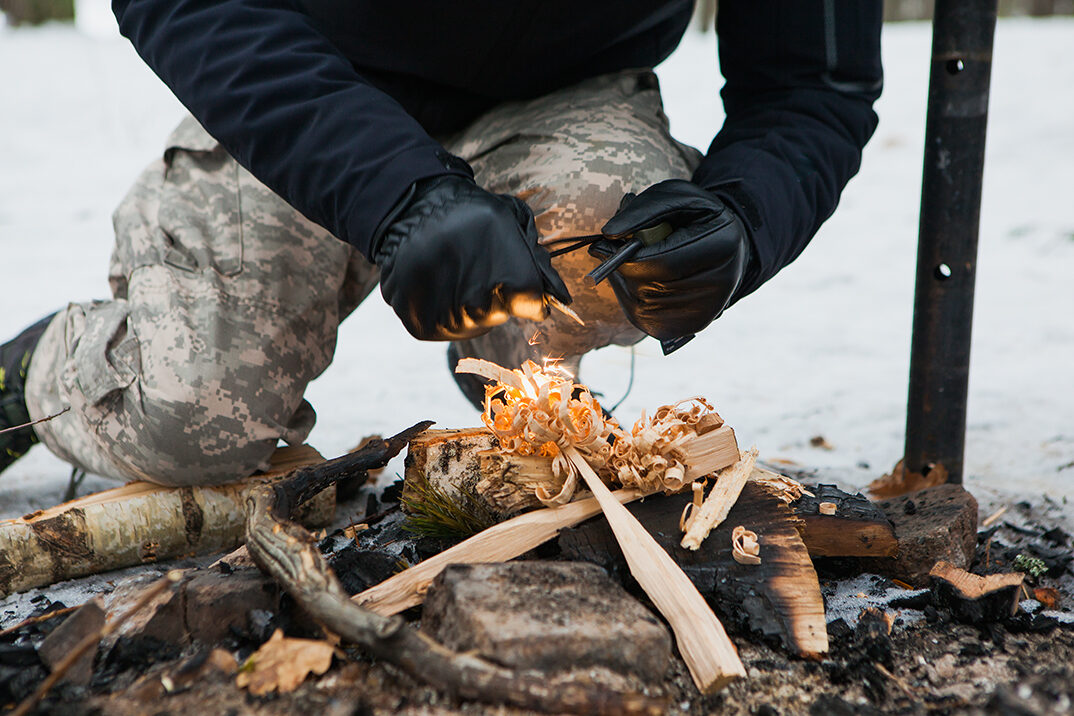
In wet conditions, the best fire-starting methods include using waterproof matches, ferrocerium rods, and bow drills, which are more effective than traditional
To prevent hypothermia during winter hikes, prioritize layers of breathable clothing, a waterproof jacket, and insulated, moisture-wicking base layers. Don't fo
Use materials with high insulating power, low weight, and water resistance such as down feathers, synthetic insulation, or wool for optimal warmth in a winter s
For DIY shelters, the best materials for insulation include dry leaves, grasses, and pine needles, which can be layered to provide adequate warmth. You can also
To build a fire in wet conditions, focus on using dry tinder and kindling, and employ techniques such as the \
Wear layered clothing to trap warm air, use a hat and gloves to prevent heat loss, and stay dry to maintain body heat while hiking.
Look for natural formations like caves, rock overhangs, and hollowed-out logs, and use materials like branches, leaves, and snow to create improvised shelters.
Teach children about cold safety by discussing dressing in layers, recognizing hypothermia symptoms, and practicing outdoor safety such as staying close to adul
Wet clothes can lead to hypothermia, making it essential to dry them quickly outdoors. Hang clothes in a way that allows air to circulate, and consider using a
In the wild, you can dry wet clothes by using natural resources such as the sun, wind, or fire. You can also use techniques like wringing out excess water and l
A personal locator beacon (PLB) may not directly help in hypothermia cases, but it can aid in emergency response by quickly alerting authorities to a person's l
Cold water immersion can lead to rapid heat loss and hypothermia within 15-30 minutes, but immediate hypothermia is rare unless the water temperature is below 5
Dehydration can worsen hypothermia effects by reducing the body's ability to generate heat.
Yes, firewood types can affect warmth in survival situations, with denser, drier woods like ash and beech providing more heat per unit than lighter, moist woods
Hypothermia can significantly impair decision-making in survival situations, often making individuals more prone to taking unnecessary risks and making poor jud
Hypothermia can significantly impair mental clarity and decision-making, often leading to poor judgment and increased risk of accidents.
While some cases of mild hypothermia can be treated without professional help, severe cases often require medical attention. Removing wet clothing, seeking shel
Hypothermia can increase the risk of frostbite, but it does not directly cause frostbite. Frostbite occurs when skin and underlying tissues freeze, often due to
Wet conditions alone do not typically cause hypothermia. Hypothermia usually results from a combination of wet conditions and cold temperatures. Body heat loss
Hypothermia can occur even in mild temperatures, typically above 50°F (10°C), when an individual is exposed to wind, water, or cold objects for an extended peri
Short answer: Yes, pets can suffer from hypothermia in cold weather.
Sleeping next to a warm body can help with rewarming by conserving body heat, but it is not a substitute for proper medical treatment.
Wet boots can significantly contribute to hypothermia by allowing water to penetrate the boot, causing the foot to become cold and wet. This can lead to a rapid
Wet clothing can amplify the effects of hypothermia by accelerating heat loss, potentially leading to faster onset of hypothermia symptoms.
Surviving hypothermia without help requires specific knowledge, skills, and a clear understanding of the risks involved. While it's possible to survive mild hyp
Movement alone can help alleviate hypothermia symptoms, but it is not a reliable treatment method, especially in severe cases, and should be used in conjunction
Hot water bottles can be used as a makeshift warming device for warming up in emergency situations, especially in cases of hypothermia or cold exposure.
Common mistakes when treating someone for hypothermia include failing to recognize the severity of the condition, not properly rewarming the body, and not provi
In a survival situation, blankets are generally less effective than sleeping bags due to their lower thermal retention and insulation capabilities. Sleeping bag
Desirable features in a thermal blanket for emergencies include a lightweight design, compact size, and durable construction that can withstand harsh weather co
Different climates indeed affect hypothermia risk levels. Hypothermia risk is higher in cold, wet climates like those found near the ocean, while risk in arid o
Electric heating pads work in survival situations by providing a portable, reliable heat source for treating hypothermia.
Altitude does impact hypothermia risk and treatment, as lower air pressure and temperature can exacerbate heat loss, and higher altitudes often have limited acc
Clothing color does not significantly influence heat retention in winter. This is because the primary factors affecting heat retention are fabric thickness, bre
Hypothermia treatment does differ by age and health, with infants, the elderly, and those with underlying medical conditions requiring more careful and specific
The type of terrain significantly impacts hypothermia risk, with wet and cold conditions, such as near bodies of water or in dense forests, increasing the risk
BODY HEAT SHARING IS A RELIABLE METHOD FOR REWARMING, WITH STUDIES SHOWING THAT IT CAN RAISE BODY TEMPERATURE BY 2-4 DEGREES IN 30-60 MINUTES WHEN DONE PROPERLY
Using body heat to warm others can be effective in mild to moderate hypothermia cases, but it's crucial to follow proper techniques to avoid re-circulating cold
For unexpected snowstorms, consider a lean-to shelter, a snow trench shelter, or a makeshift snow hut. These emergency shelters can be constructed using local m
A pitched roof is better for emergency shelter design due to its ability to shed snow and water more efficiently, reducing the risk of structural collapse and h
Alcohol consumption can significantly impair an individual's ability to survive in cold weather. It increases the risk of hypothermia, reduces the ability to re
Hypothermia impairs muscle coordination by affecting the nervous system's ability to transmit signals, leading to muscle stiffness, tremors, and loss of fine mo
Moisture level in the air significantly influences body heat loss, with high humidity causing a 10-20% increase in heat loss compared to low humidity.
The wind chill factor significantly increases the risk of hypothermia by rapidly transferring heat away from the body, which can accelerate the onset of cold-re
Chemical hand warmers are moderately effective in survival situations, providing warmth for several hours, but may not be sufficient for extreme cold exposure.
Ventilation is crucial in emergency shelters, as it prevents the buildup of harmful carbon dioxide and moisture that can exacerbate hypothermia and other medica
A person can survive in severe hypothermia for several hours, but the exact duration depends on factors such as age, health, and environmental conditions. In ge
Recovery from hypothermia can take several hours or days, depending on the severity of the condition and the individual's overall health.
Dealing with wet boots in cold weather requires careful management to prevent hypothermia and discomfort. Remove excess water from the boots by shaking them vig
Monitor a hypothermic person's condition by checking their body temperature, level of consciousness, breathing rate, and circulation. Use a thermometer to measu
To build an emergency shelter with natural materials, look for sturdy trees, branches, and leaves to create a windbreak and waterproof layer, then construct a l
Recognize hypothermia symptoms in group settings by looking for shivering, confusion, slurred speech, drowsiness, and loss of coordination. These symptoms can a