03 — Pillar · Survival
Expert guides and Q&A about forest survival temperate.
Q&A in this topic
60 total
Yes, several poisonous mushrooms can be found in temperate forests, including the Destroying Angel and the False Morel, which can be fatal if ingested. It is cr
Foraging for wild edibles and resources requires consideration of the impact on the ecosystem, respect for private property, and awareness of potential allergen
Yes, there are hidden dangers to foraging for wild nuts, including mistaken identity, allergic reactions, and consumption of toxic parts or related plant specie
Collecting water from ponds can pose significant risks, including waterborne pathogens, contamination from animal waste or agricultural runoff, and drowning haz
The best camouflage patterns for blending in with forest foliage are the \
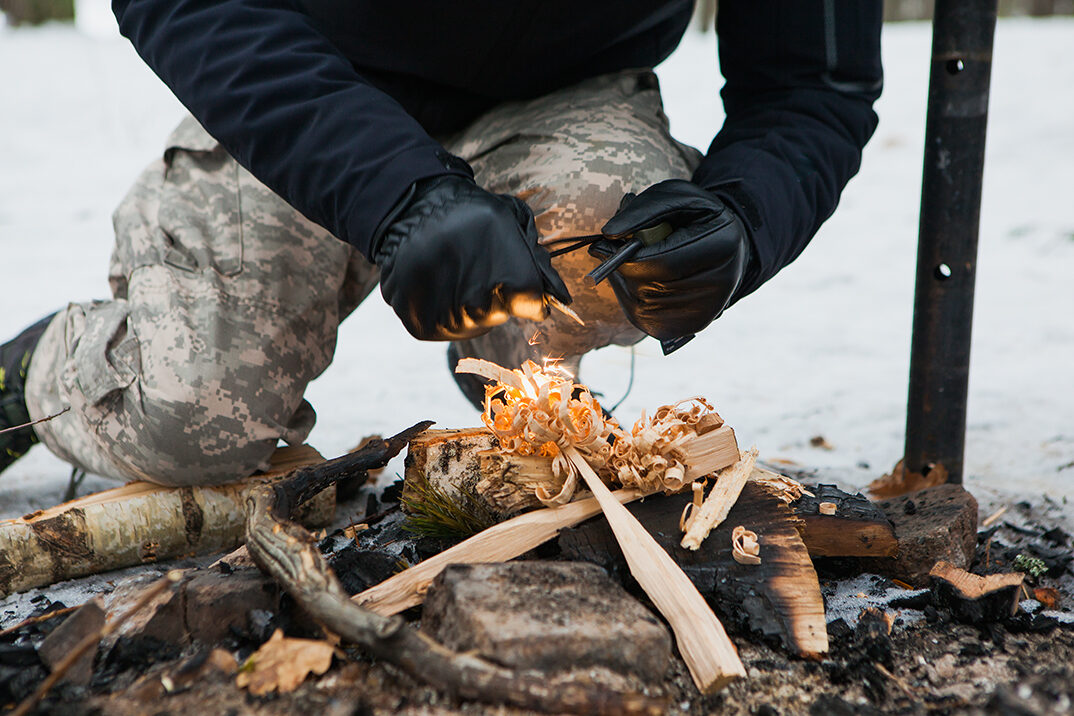
For wet weather camping, the best fire starters are waterproof matches, lighters, firesteels, magnesium strikers, and ferrocerium rods that can generate sparks
The best hardwoods for firewood in temperate climates include oak, maple, ash, and beech, which are dense, dry, and burn efficiently, providing long-lasting hea
For a natural windbreak in the woods, gather flexible branches and leaves from trees like willow, birch, or cedar to create a sturdy structure that can withstan
To effectively camouflage in temperate forest hunting, use natural materials and colors, blend into the surroundings, and remain motionless to avoid detection.
In survival situations, effective water filtration techniques include using sand, charcoal, and small rocks to create a solar still or a portable water filter;
STAY WARM WHILE HUNTING BY WEARING LAYERS, SEALING AIR LEAKS IN YOUR CLOTHING, AND CHOOSING THE RIGHT HUNTING GEAR FOR EXTREME WEATHER CONDITIONS. THIS INVOLVES
When foraging for seasonal fruits in the forest, preserving them is essential for long-term nutrition. The best methods for preservation involve proper preparat
TRACKING ANIMALS IN FORESTED AREAS IS BEST DONE BY OBSERVING FOOTPRINTS, TRACK PATTERNS, AND LOOKING FOR OTHER CLUES SUCH AS SCAT, FEATHERS, AND TREE MARKINGS.
Yes, you can build a shelter with just fallen branches, but it will require time and effort to gather and arrange the materials. The design and construction sho
Yes, you can find maple syrup resources in temperate forests, provided you're in an area with suitable maple tree species.
Foraging for nuts in winter can be challenging due to snow cover and animal competition, but certain species remain viable options, such as beech, hazelnut, and
Foraging near urban development poses risks due to potential pollution, pesticides, and human activities that may contaminate plants, water sources, and wildlif
Not all trees can provide safe drinking sap, but some species like maple, birch, and aspen can be tapped for their sap, which can be boiled to make a sugar-rich
Hunting small game during the off-season may be allowed under certain circumstances, such as for sustenance purposes in times of extreme need, but specific regu
Wild berries can be a reliable secondary food source, but not a primary one due to inconsistent availability and potential toxicity. Berries are typically more
Wildflowers can be a reliable source of food, medicine, and other essential resources in a survival situation, but their availability and nutritional value can
It's not always safe to drink water from a stream after heavy rain, as it may contain contaminants or be prone to flash flooding.
Foraging for mushrooms alone as a primary food source for a week can be challenging due to variable availability, toxicity risks, and nutritional deficiencies.
Yes, you can train your dog to assist in tracking game, given sufficient training and consistent reinforcement.
While a smartphone can be used for navigation in the woods, relying solely on it may not be the best strategy, as batteries can quickly drain and signal strengt
Animal bones can be used for tools in a survival situation, provided they are cleaned and processed correctly.
Fallen leaves can be used as a moderate insulation material in shelter building, providing some protection from cold temperatures and wind, but may not be as ef
Pine needles can be a suitable component of survival bedding, providing insulation and some water resistance, but they must be used in combination with other ma
Weather changes can significantly affect the availability of foraged resources, making some harder to find or even inaccessible during certain times of the year
Wild edibles in temperate forests can be safely foraged year-round, but certain species are more suitable for specific seasons due to factors like ripeness, tox
Yes, you can forage for wild greens in late fall, but the selection may be limited due to seasonal changes and potential frost damage.
Deer become nocturnal in certain seasons or conditions, primarily during the fall and winter months when food is scarce and snow covers the ground, making it ea
Squirrels in temperate forests do indeed hide food for winter, typically using tree cavities, underground burrows, or hidden compartments in vegetation to store
Rain affects animal movement patterns in the fall as it forces them to adjust their daily routines and migration schedules due to changing weather conditions. T
Using scent attractants can indeed increase deer sightings, as deer have a strong sense of smell that helps them detect food, mates, and predators. Effective at
Animal migration patterns are influenced by changing seasons, with many species traveling to find food, suitable habitats, and breeding grounds. For example, ca
Seasonal weather influences animal mating habits by triggering specific biological responses related to reproduction, such as hormonal changes, territorial beha
Temperate forest weather impacts animal behavior, influencing their daily activities, migration patterns, and habitat selection in response to temperature, prec
Salt licks can be moderately effective for attracting deer, as they provide essential minerals and salts, but their impact is often short-lived and depends on t
Acorns provide approximately 100-150 calories per ounce, depending on the species and moisture content. This can translate to around 300-450 calories per servin
In a temperate forest, a healthy individual can survive without food for approximately 3-5 weeks, while a person with a smaller body mass index (BMI) may only s
Check your game camera every 7-10 days during hunting season or every 2-3 weeks during off-season to ensure functionality and gather valuable data on wildlife p
To build a debris hut in a temperate forest, gather sturdy branches and leaves, create a sturdy frame, and thatch the roof with a thick layer of debris. The str
To create a smoke signal for rescue in a forest, build a fire, add green branches to produce a thick smoke, and use a chimney effect with rocks to direct the sm
A deer trail is typically narrow and meanders through the forest, while a game path is wider and more direct, often leading to a water source or a food source.
To effectively signal for help if lost in the woods, create a smoke signal during the day and use a fire at night, and use visual signals like three short whist
Look for deer signs such as gnawed tree bark, rubbed trees, and bedding areas to identify deer presence beyond tracks.
Identify edible berries by examining their color, shape, size, taste, and any visible signs of toxicity. Consult a trusted field guide or expert for positive id
When selecting a tree for trap placement, look for sturdy, straight branches with a diameter of at least 6 inches, ideally 10-12 feet off the ground, and near a
A tree is safe for climbing if its trunk is sturdy, free of significant branches, and has a smooth, even surface.
To tell the difference between poisonous and edible plants, observe their leaves, growth patterns, and seasonal habits, and research them extensively before att
Ideally, set up a deer blind near a hardwood ridge or a clearing with a south-facing slope to maximize sunlight and visibility, but at least 100 yards away from
A tarp can be a better option than a tent for winter shelter in some cases, especially when weight, ease of setup, and flexibility are crucial, but it's essenti
Building a shelter with rocks can be more effective than wood in certain situations, particularly in areas where trees are scarce or in regions with harsh weath
Hunting in pairs is generally safer than going solo in the wilderness, as an extra set of eyes and hands can provide mutual support, enhance situational awarene
In a temperate forest, building a shelter on high ground is generally better due to better drainage, fewer flood risks, and easier protection from wildlife. Hig
The legality of using snares for trapping small game varies by region, country, or even state, with specific regulations and laws governing their use. Some area
Yes, it is possible to create a fire without matches in winter by utilizing various methods such as bow drill, flint and steel, and solar fire starting. These t
Yes, it is possible to cultivate edible plants in a forest clearing, providing you have the right knowledge and choose the right plants for the environment.
CARRYING A PORTABLE WATER FILTER FOR HIKING IS PRACTICAL, AS IT PROVIDES A SAFE AND RELIABLE SOURCE OF DRINKING WATER IN THE WILD, PROTECTING AGAINST WATERBORNE