03 — Pillar · Survival
Expert guides and Q&A about navigation night travel.
Q&A in this topic
60 total
Spend quality time with your family by engaging in nighttime camping activities such as stargazing, nighttime games, and telling scary stories around the campfi
For stability while hiking in the dark, opt for sturdy, ankle-high hiking boots with aggressive tread patterns and deep lugs, which provide better traction and
Optimal nighttime wildlife observation locations are typically near water sources, such as lakes, rivers, or coastal areas, where animals come to drink or hunt
When traveling at night, the best methods for enhancing visibility include using high-intensity flashlights, wearing reflective gear, and avoiding dark-colored
To navigate effectively at night, use a combination of celestial navigation, a compass, and landmarks. Focus on prominent constellations like the Big Dipper and
Hike with a headlamp, use trekking poles for balance, and stay on marked trails to avoid falls while hiking at night.
Establish a safe and visible campsite, maintain a night watch, and avoid traveling during periods of low visibility to ensure a secure night hours experience.
To navigate safely during nighttime crawling in the field, move quietly, use a map and compass, and rely on visual observation of landmarks and the position of
To track animals in the dark, rely on listening and observing for subtle signs like altered vegetation, displaced leaves, or unusual sounds; use a compass and f
Short Answer: For an overnight stay in the woods, focus on building a safe shelter, starting a fire, and staying warm; gather materials like leaves, pine needle
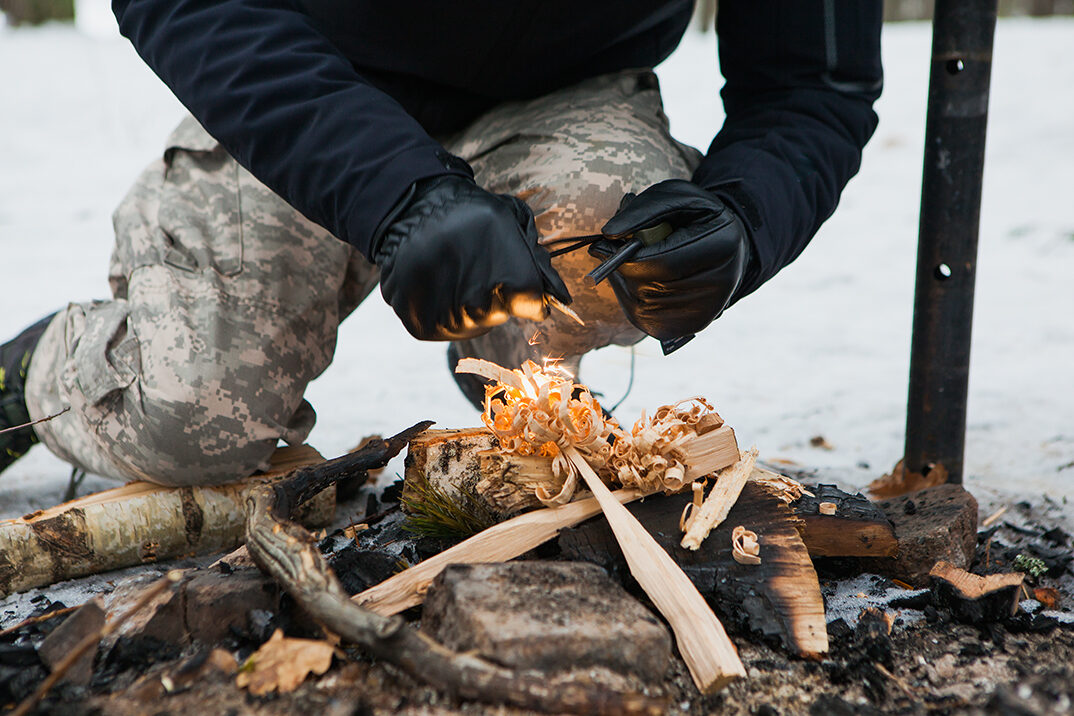
To build a fire in low light, use a lighter or waterproof matches, and create a fireboard with a notch for a bow drill. This allows for precise control and cons
Best Techniques for Navigating in the Dark involve using your senses, natural landmarks, and specialized tools to stay on course.
The best time for night fishing is typically during the new moon phase when there's minimal moonlight, usually between late spring and early fall, when fish are
To spot nocturnal wildlife in the dark, use a combination of visual and auditory cues, including moonlight, starlight, and animal sounds. Bring night vision dev
Approach nocturnal wildlife quietly by moving slowly, wearing dark clothing, and avoiding direct eye contact, allowing you to minimize visual disturbance and ma
Best ways to communicate safety signals in the dark include using high-visibility vests, strobe lights, or mirrors to reflect sunlight towards potential rescuer
Animals can see headlamp light in the dark, but the effectiveness of this visibility depends on the intensity and color of the light, as well as the animal's se
High winds can impact nighttime travel safety by reducing visibility, increasing the risk of accidents, and making it more difficult to navigate.
Moon Phases Affect Animal Movement at Night because certain lunar conditions may increase visibility, influencing nocturnal behavior.
Moonlight can replace a headlamp for short distances, typically up to 100 meters, when navigating under a clear, full moon.
Nocturnal wildlife can be spotted without artificial light through careful observation of natural light sources and behavioral patterns.
Sound can carry further at night, affecting wildlife due to the absence of background noise during this time.
Hunting at night in national parks is generally prohibited, except in areas specifically designated for night hunting. These areas are typically limited to wild
In the United States, hunting small game at night is generally allowed in many states, but regulations vary. Some states prohibit it entirely, while others have
Glow sticks can be a reliable emergency light source for short-term navigation in the dark, providing up to 12 hours of light for a single stick, but are limite
The moon is a reliable source for night navigation, but its effectiveness depends on the lunar phase and atmospheric conditions. With a clear view of the moon a
Spotting animals using a headlamp while hiking is possible, but it requires attention to details and an understanding of animal behavior.
During a full moon, you can trust natural light for navigation to some extent, but be aware that shadows can still be misleading and the lack of contrast makes
The primary difference between beam types in headlamps lies in their distribution pattern, which affects visibility and glare reduction. Spot beams are narrow a
Animals respond differently to red vs. white light due to their visual adaptations and sensitivity to different wavelengths of light. This difference affects th
Research suggests that different moon phases can influence the feeding habits of certain animal species, particularly nocturnal and lunar-cued animals, which ad
Using headlamps on a regular basis can potentially disrupt your natural night vision over time, but the effects are relatively minor and typically do not last l
Moon Phases Influence Hunting Success Rates slightly, with a 10-15% improvement in visibility during the full moon and a 20-25% decrease in visibility during th
Night Vision Goggles Outperform Headlamps in low-light conditions by magnifying available light, allowing users to see up to 1.5 times farther than headlamps. -
The moon phase does not have a significant effect on predatory animal activity, but it can influence human activity and decision-making, especially during night
Using a headlamp can affect your night vision, especially in low-light conditions.
For overnight wilderness travel, essential gear includes a first aid kit, headlamp or flashlight, and a reliable means of starting a fire. Navigation tools like
Navigating in the dark without a GPS poses significant hazards including increased risk of getting lost, accidents, and exposure to harsh weather conditions, wh
For nighttime use, a headlamp should be bright enough to illuminate a clear path 20-30 feet ahead, without creating harsh glare that could disrupt night vision.
To stay warm while camping overnight in cold temperatures, use a sleeping bag rated for the expected low temperature, insulate with a warm sleeping pad, and dre
Different animals have varying reactions to headlamp light, ranging from instinctual flight to aggression. Some creatures, such as raccoons, are attracted to th
Terrain changes can significantly impact night navigation by altering visibility, terrain difficulty, and the need for frequent adjustments to a route. Steep sl
Weather conditions significantly impact night travel risks, increasing the chances of accidents, injuries, and fatalities due to reduced visibility, slippery ro
Fatigue significantly impairs your ability to navigate safely at night, making it harder to recognize landmarks, read maps, and react to changing environments.
Moonlight affects animal visibility for hunters by reducing the contrast between the animal and the surrounding environment, making it easier for animals to ble
Your personal safety can significantly impact your decision to travel at night, as a heightened sense of awareness and preparedness can make all the difference
Check your gear every 20-30 minutes during night travel to ensure all components are functioning properly and make necessary adjustments before they fail, espec
To avoid disturbing nocturnal wildlife, move quietly and calmly, use red light instead of white light, and stay on designated trails. Wear dark or earth-toned c
Avoid getting disoriented while night hiking by maintaining a steady pace, staying alert, and keeping track of your surroundings through familiar landmarks or n
CHOOSING THE CORRECT MOON PHASE FOR NIGHT FISHING involves aligning your fishing trip with the lunar cycle to maximize your chances of catching fish. The most f
Choose a battery that matches the headlamp's recommended voltage and compatibility, considering factors like runtime, size, and environmental conditions.
When choosing a headlamp for extended use, consider the brightness and battery life, as well as the weight and durability of the device. Look for a headlamp wit
To create light discipline while nights outdoors, plan and conserve light sources, use moon phases for navigation, and employ techniques like the \
Short Answer: To identify safe trails for night hiking, assess the terrain, weather, and potential hazards ahead, and choose routes with minimal obstacles and c
Maintain situational awareness during night travel by paying attention to your surroundings, keeping your wits about you, and using your senses to detect potent
Pack a lightweight backpack with essential items like a first aid kit, headlamp, warm clothing, and a map to ensure a safe and comfortable nighttime wilderness
To set up an effective nighttime signal for help, create a visible fire, use flares or light sticks, and position yourself in a location where rescuers are like
STAYING SAFE WHILE HIKING ALONE AT NIGHT: Bring a headlamp or flashlight, stay on marked trails, and let someone know your planned route and estimated return ti
SHOR_ANSWER: Use a compass in conjunction with moonlight by aligning the compass needle with the direction of the moon. Orient the compass dial to match the dir
To use star positioning for navigation at night, locate the North Star (Polaris) in the constellation Ursa Minor, then draw an imaginary line through the Big Di