03 — Pillar · Survival
Expert guides and Q&A about plane crash survival.
Q&A in this topic
60 total
Yes, insects can be a viable alternative food source in a survival situation. Many species are safe to eat, but proper preparation and identification are necess
To avoid hypothermia in the wilderness, stay dry, wear warm layers, and find or create a shelter to block wind and precipitation. Monitor your body temperature
After a plane crash in a wilderness area, prioritize finding a safe location, assessing injuries, and using basic navigation tools to find shelter and a potenti
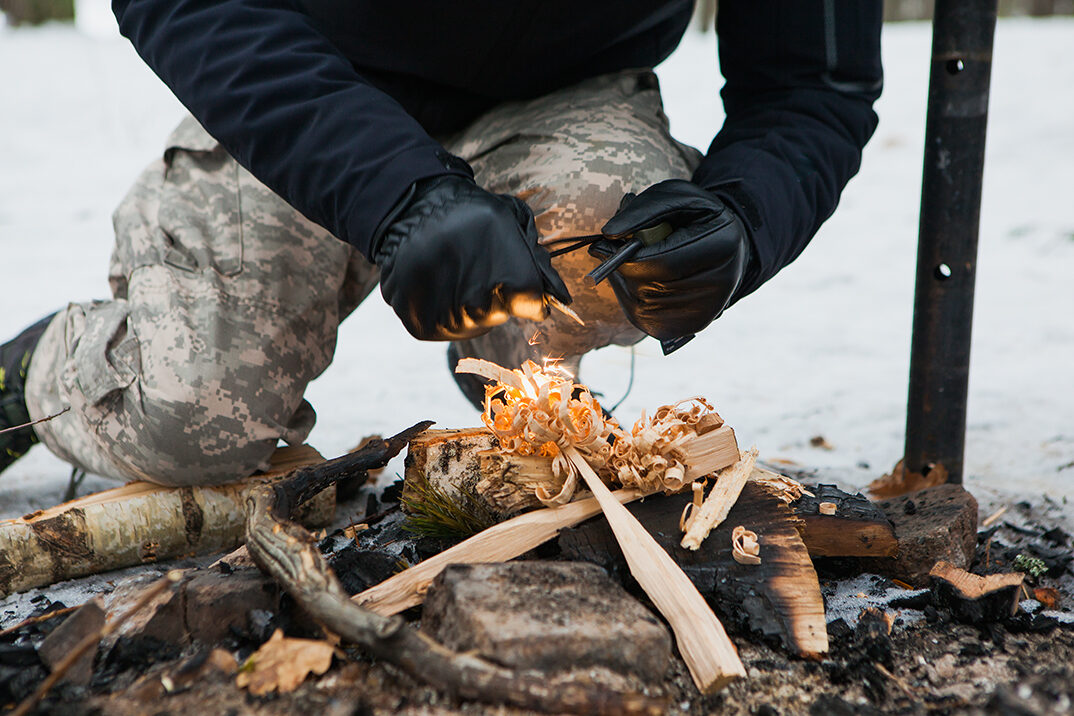
For temporary survival off the land, focus on securing a source of water, building a shelter, and starting a fire. Utilize natural resources and simple tools to
A survival kit for plane crashes should include a multi-tool or pocket knife, a fire starter, and a first aid kit. These tools can aid in initial actions such a
To signal for help after a crash, use flares, mirrors, or brightly colored objects to attract attention, and create a fire at night or in low visibility to sign
To stay warm while waiting for rescue, wear or create insulating layers, use body heat retention techniques, and prioritize shelter from wind and precipitation.
Yes, you can create a distress signal using reflective materials to attract attention from potential rescuers in a remote location after a plane crash.
You can hunt for food after a plane crash, but it's crucial to prioritize your safety and the environment to avoid further danger and potential negative impacts
CLOTHING CAN PROVIDE INSULATION IN YOUR SHELTER, BUT IT'S CRUCIAL TO USE IT EFFECTIVELY. LAYING A THICK LAYER OF CLOTHING, SUCH AS A JACKET AND PANTS, ON THE FL
SMOKE SIGNALS ARE AFFECTIVE FOR ATTRACTING RESCUERS.
Immediately after a plane crash, avoid panicking and assess the situation. Check for injuries and ensure the fire is extinguished. Move away from the wreckage a
To create a signal fire, use dry, fluffy tinder such as dry grass, small twigs, and dry leaves, and larger logs as fuel. Add some dry, resinous woods like pine
After a plane crash in extreme weather, assess your situation quickly, prioritize finding shelter and signaling for help, and use your plane's wreckage to your
Assess injuries promptly, treating life-threatening wounds first, then stabilizing and immobilizing the rest. Prioritize basic first aid and shelter constructio
To purify water in the wild, one can use methods such as boiling, solar disinfection, or water filtration, with boiling being the most effective method to elimi
Effective signaling techniques in remote locations involve using reflective materials, mirrors, and bright colors to create visible signals, and also utilizing
In remote survival scenarios, effective water sources include rainwater collection, transpiration from plants, and extracting water from wet soils and moss. It'
To survive a plane crash, essential skills include assessing injuries, finding shelter, starting a fire, and signaling for help. This involves using wreckage ma
When finding edible wild plants, look for those with four or more leaves, a distinctive shape or color, and a bitter or astringent taste. These characteristics
Weather affects survival strategies after a crash by influencing the ability to find shelter, signal for help, and conserve energy, making it crucial to adapt t
A plane crash survivor can expect to wait anywhere from 12 to 72 hours for rescue, depending on factors such as the crash site's location, weather conditions, a
You can expect to survive without food for 3 to 5 days, depending on the environment, climate, and your physical condition. In hot climates, this period may be
Assess your surroundings for potential dangers by scanning your environment for signs of hazards such as steep slopes, fast-moving water, or unstable structures
Utilizing sunlight for navigation in the wilderness involves observing the direction of shadows and the position of the sun. By understanding the sun's position
To build a fire using limited resources, start by finding suitable tinder and kindling, then use friction-based methods to create a spark. This can be done with
To build a fire without matches in the wilderness, use friction methods such as bow drill or hand drill to create a spark, and then use a piece of glass, metal,
Collect rainwater safely in wilderness by using a sturdy, food-grade plastic container or a tarp with a collection system; avoid contamination with leaves, twig
Establish a clear communication plan with other survivors, using a whistle or other consistent signal to convey messages over long distances, and assigning a pr
To conserve energy after a plane crash, assess your injuries, find or create a shelter, and use fire starting techniques to signal for help while preserving ene
SHOOT A FLAME AND MAKE A SHAPED SIGNAL WITH LOCAL MATERIALS TO ALERT POTENTIAL RESCUERS IN A REMOTE LOCATION, ESPECIALLY AFTER A PLANE CRASH. USE MATERIALS LIKE
Create a makeshift first aid kit by gathering materials from wreckage such as bandages, gauze, and antiseptic wipes, and repurposing items like clothing and deb
To create a shelter from plane wreckage, gather sturdy materials from the wreckage and surrounding environment, and construct a lean-to or debris hut using a si
Use a whistle to signal for help when lost or stranded in a remote location, focusing on short, loud bursts to capture attention and convey urgency, ideally 3-5
Establish a safe perimeter around the crash site by first assessing the immediate surroundings and then marking the boundaries with distinct landmarks or signs
Gather debris from the crash site, such as branches, seats, or fuselage fragments, and arrange them into a sturdy frame. Use rope, seatbelts, or torn fabric to
Identify potential rescue paths by searching for obvious landmarks, such as rivers, ridges, or valleys, and look for the highest point in the surrounding area,
When identifying safe versus dangerous wildlife in a remote location after a plane crash, pay attention to body language and vocalizations, and keep a safe dist
Identify safe water sources by checking clarity, smell, and taste, and by using visual cues like algae and sediment. Avoid stagnant or slow-moving water, which
Maintaining hope and morale in isolation is crucial for survival, and it can be achieved through setting goals, finding ways to occupy oneself, and staying posi
Manage injuries by applying basic first aid, controlling bleeding, immobilizing fractures, and elevating wounds. Use available materials for splints and dressin
To prepare for extended isolation after a crash, stock up on water, non-perishable food, and essential medical supplies; learn basic first aid and shelter-build
Prioritize tasks by focusing on immediate safety, then signaling for help, and finally securing a shelter. Assess the situation to allocate time and resources e
Look for smoke, flames, or a dark shape that stands out against the surrounding terrain, potentially indicating a rescue helicopter or aircraft. Pay attention t
To signal for help using natural resources, look for materials like rocks, leaves, or snow to create visible signals, such as arrows or patterns, that can be se
STAYING POSITIVE IN EXTREME SURVIVAL SITUATIONS involves adopting a survival mindset, staying hydrated, and managing stress through breathing exercises and visu
To use an emergency beacon after a plane crash, locate the Personal Locator Beacon (PLB) or Emergency Position-Indicating Radio Beacon (EPIRB) within the wrecka
Use a flight map to locate nearby landmarks, water sources, and terrain features to aid navigation and shelter construction post-crash. Identify the plane's las
In a survival situation, identifying edible plants requires knowledge of local flora, observation, and testing for toxicity. Be cautious, as some plants can be
Assess the situation, check for injuries, and ensure everyone is accounted for. If able-bodied, gather essential items from the wreckage, such as water, first a
Insulation is necessary for wreckage shelter comfort as it helps maintain a stable body temperature, preventing hypothermia or heat exhaustion, which are signif
While road maps are not ideal for wilderness navigation, they can be used as a substitute when no other navigation tools are available, providing a general repr
SORT_ANSWER: Traveling long distances after a plane crash is generally not recommended, as injury, shock, and dehydration can impair judgment and increase the r
It's safer to move away from the wreckage, at least 100-200 feet, to avoid potential hazards like fires, explosions, and falling debris. This will also give you
No, it's not wise to eat anything found in the wilderness without proper identification and preparation, as it can lead to waterborne and foodborne illnesses, p
Having a wreckage that provides shelter is a crucial initial survival factor, but firewood can still be beneficial for warmth, signaling, and other needs, makin
Maintain mental clarity in high-stress survival situations by focusing on one task at a time, using the PASS method for signaling, and prioritizing warmth and h
In the event of an emergency, stay near the wreckage and assess the situation before deciding to move. This is crucial for preserving energy and prioritizing sa
Assess your surroundings, prioritize shelter and signaling over navigating, and use terrain features to aid in both. Identify nearby features like ridges, valle
A compass is an effective navigation tool in wilderness areas, but it requires proper use, calibration, and knowledge of declination. When used correctly, a com