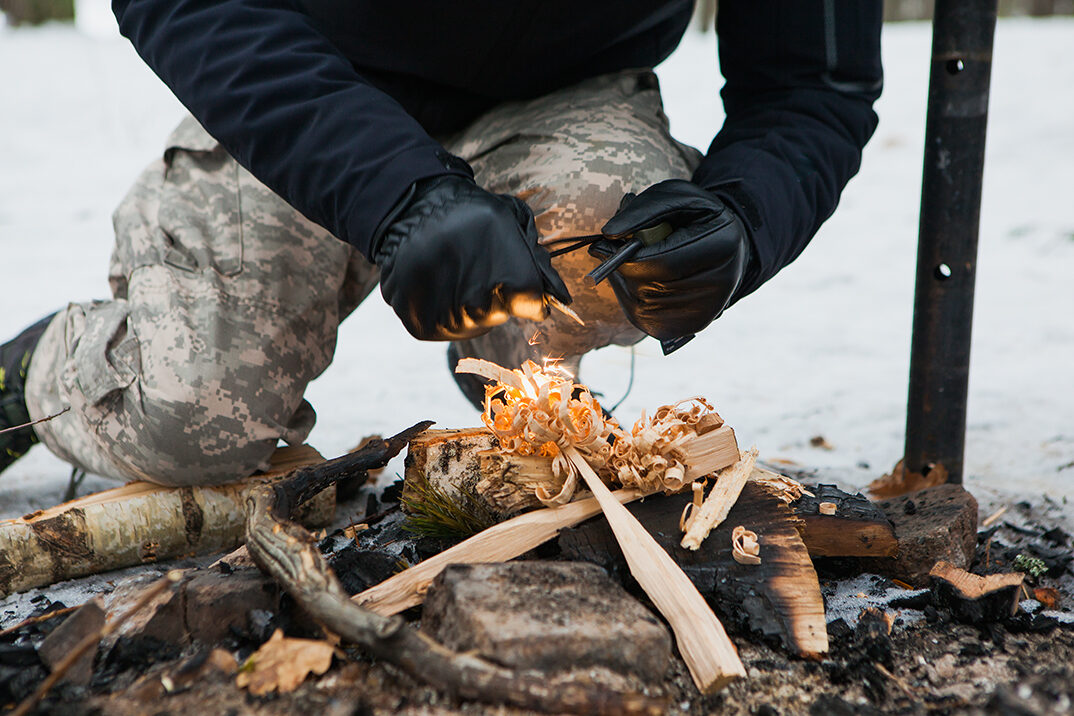
03 — Pillar · Survival
Expert guides and Q&A about prepper bug out location.
Q&A in this topic
60 total
Yes, a bug-out location with trees offers advantages such as natural concealment, shade for water collection and habitat for foraging, and windbreaks for fire s
Using a bug-out location with historical significance can provide unique benefits, such as attracting less attention, being less likely to be targeted by hostil
In the United States, zoning regulations, environmental laws, and health codes may impact the siting of a bug-out location in rural areas. Homeowners must compl
Yes, certain plants can enhance a bug-out location's resources by providing food, medicine, and other essential items, making them a valuable addition to your s
Yes, there are specific plants to avoid near a bug-out site, including poison ivy, poison oak, poison sumac, poison hemlock, and water hemlock, which can cause
Underground shelters can be a viable option for bug-out locations, offering protection from environmental hazards and potential threats, but they require carefu
A bug-out site suitable for long-term use should have a reliable source of clean water, a secure shelter, and a means to produce food, ideally with a combinatio
The best geographical features for a bug-out location include a natural water source, such as a stream or spring, and elevation that provides a clear view of th
To improve security at a remote bug-out site, consider building a perimeter fence with barbed wire or electric fencing, and install motion-sensitive outdoor lig
A bug-out area that's too close to hunting zones can compromise its security, increase the risk of detection, and potentially create conflicts with hunters. Pro
Yes, a bug-out location near water can pose risks, particularly if not properly prepared and secured.
A bug-out site with neighbors can be effective for isolation if the neighbors are not aware of your preparations or presence, and if you take steps to minimize
Having livestock at a bug-out site can be beneficial by providing a steady food supply, helping with waste management, and serving as a form of emergency curren
Relying solely on GPS for bug-out site navigation is not recommended due to its limitations and potential for failure, especially in situations where signal rec
Yes, you can set up a bug-out site in the mountains, but consider the terrain, accessibility, and potential hazards.
Yes, you can trust satellite maps for bug-out site selection, but it's essential to supplement the information with ground-truthing and local research. Satellit
Natural barriers can enhance the safety of a bug-out area by providing defense against potential threats, such as wildlife, harsh weather conditions, and unauth
Proximity to a river can complicate survival strategies due to potential flooding, waterborne diseases, and increased mosquito populations.
While proximity to urban areas can be beneficial for a bug-out spot, it also poses risks. A well-planned location near a city can provide access to resources an
A well-planned urban bug-out location can be effective for survival, offering proximity to resources, potential allies, and existing infrastructure, but require
Yes, it's essential to consider potential looters when choosing and preparing your bug-out site to ensure your safety and the security of your supplies.
Choosing a bug-out site without considering local wildlife can lead to unnecessary risks and complications, compromising survival and safety.
Preparing for seasonal changes at your bug-out site is crucial for ensuring your survival and comfort. This involves adapting your shelter, water collection, an
Stockpiling supplies at your bug-out location is crucial for survival, especially during the initial 72 hours when rescue teams are unlikely to arrive. You'll n
Seasonal changes can impact a bug-out location's viability, particularly in areas with harsh winters or extreme temperatures. This can affect accessibility, sus
Seasonal fires can significantly impact the safety of your bug-out area by increasing the risk of wildfires, heat exhaustion, and air quality issues.
An ideal bug-out location can be either hidden or obvious, depending on your specific needs and the threat level you're anticipating. A hidden location can prov
The presence of natural threats can significantly impact site selection for a prepper bug out location, necessitating careful consideration of factors such as f
Short answer: Wildlife presence can both enhance and hinder a bug-out location, depending on the specific species and circumstances. When managed correctly, wil
Community preparedness programs can significantly enhance your bug-out plan by providing a network of support and resources, thereby increasing the chances of a
Community resources significantly impact bug-out location choice, affecting access to food, water, medical care, and communication networks, ultimately influenc
Weather patterns significantly affect bug-out site selection, influencing accessibility, water availability, and shelter durability. Considerable research and p
Food storage at a bug-out location is crucial for sustaining life during a prolonged emergency or disaster. Adequate supplies ensure survival until external hel
A suitable remote bug-out location distance is 100 to 300 miles from your primary home, allowing for a reasonable travel time to reach safety while maintaining
A bug-out site's distance from major roads should ideally be at least 5-10 miles to minimize the risk of being discovered by unwanted parties, and to allow for
Natural camouflage is crucial for a bug-out location as it reduces the visibility of the property from potential adversaries, thereby minimizing the risk of unw
A 1-5 acre plot of land is ideal for an effective bug-out location, providing enough space for a small cabin, garden, and some livestock. A larger plot may be n
Revisit your bug-out location plan every 6-12 months to ensure its feasibility and effectiveness, and make necessary adjustments.
Assess the safety of a bug-out area by evaluating its accessibility, natural defenses, water sources, and potential hazards, taking into consideration factors l
Assess soil quality at a bug-out site by digging a small test pit, examining the soil's texture, structure, and color, and looking for signs of erosion or water
Choose a bug-out site based on climate by considering zones with moderate temperatures, adequate precipitation, and minimal risk of extreme weather events. Look
To determine the likelihood of natural disasters at a site, research local historical data and consult with experts, such as the United States Geological Survey
To ensure your bug-out location is defensible, identify and eliminate any vulnerabilities, such as windows or doors that may be easily breached, and position de
To ensure year-round food sources, focus on developing a diverse food system with a mix of seasonal crops, stored provisions, and livestock. Consider nearby wat
Evaluate the need for security cameras at a bug-out site by considering the location's vulnerability to potential threats, the value of stored supplies, and the
To evaluate the risks of nearby neighbors, assess their behavior, property condition, and potential for disturbance, considering factors like noise levels, outd
Observe animal tracks, scat, and nests near your site to determine local wildlife activity. Check local government websites for wildlife reports and surveys. Co
To improve your bug-out site's camouflage, use natural materials to blend in with the surroundings, create a multi-layered cover, and consider using camouflage
To test water safety at a new bug-out location, collect a water sample, seal it in a clean container, and send it to a certified laboratory for analysis. Altern
A safe distance for a bug-out location is typically 50 to 100 miles from home, far enough to avoid immediate danger zones like urban areas and floodplains, but
A bug-out cabin is more secure than a tent setup due to its solid structure, durable materials, and potential for better insulation and protection from the elem
A bug-out location in a dense forest can be an advantage due to its natural concealment and potential for self-sufficiency, but it also poses challenges such as
A bug-out location in a national forest can be a good idea if you're aware of the challenges and take necessary precautions, but it's essential to weigh the ris
A bug-out location on a riverbank can be too risky if you don't have proper planning, preparation, and precautions in place. Flooding, erosion, and access diffi
A bug-out location on private property can be a risk if the property owner's rights and boundaries are not respected, potentially leading to trespassing or prop
A bug-out site near a national park can be a good idea, but it's essential to weigh the benefits against potential risks, such as crowds, regulations, and poten
Having a bug-out site near a power source can be beneficial, but it also comes with risks such as increased visibility to potential aggressors and potential ele
A bug-out site with multiple escape routes is safer because it provides a higher level of flexibility and redundancy in case of an emergency, allowing individua
A remote location is not always safer for a bug-out site, as it may be more vulnerable to isolation, lack of resources, and difficulty in retrieving supplies or
An accessible bug-out location may be more practical than a hidden one, as it allows for easier evacuation and access to resources, but it also increases the ri