03 — Pillar · Survival
Expert guides and Q&A about scenario lost in woods.
Q&A in this topic
60 total
To create a shelter in the woods, select a safe location, gather necessary materials, and construct a lean-to or debris hut using a sturdy frame and a waterproo
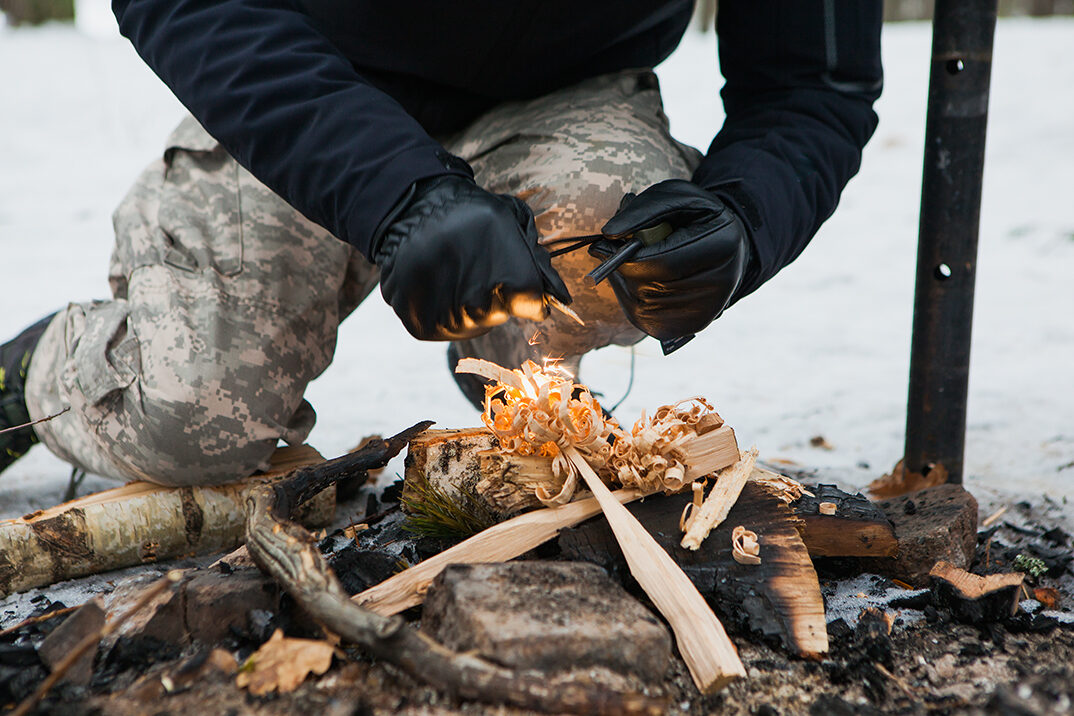
In survival situations, reliable fire starters are crucial for warmth, cooking, and signaling. The best types include waterproof matches, lighters, firesteel, f
Remaining calm when lost outdoors starts with a clear mindset, a reliable shelter, and a basic understanding of your surroundings. Take a few deep breaths, asse
To stay warm if lost overnight, find or create a shelter, use body heat retention techniques, and start a fire. Wear extra layers and use a hat to minimize heat
Animals, particularly dogs, can recognize and respond to human distress signals, such as whistling or shouting for help, in some cases. Their ability to respond
Distress signals can be somewhat effective in low visibility conditions, but they are less reliable when the visibility is severely impaired. In such cases, an
Yes, fire can be used as a signal for help in survival situations. It is a highly visible and attention-grabbing method that can be seen from a distance. By cre
Nighttime signals can be seen from a distance under certain conditions, such as when they are large, bright, or reflect off a surface. However, visibility is li
Sharing Resources Can Help If You're Lost With Others.
Being lost in the woods can be a life-threatening situation. Survival training can significantly reduce the likelihood of getting lost in the first place.
Water sources can be a good signaling location due to their visibility and accessibility.
Technology can provide temporary assistance but is not a reliable means to ensure survival when lost in the woods due to limited battery life, signal strength,
While waiting for help, it's theoretically possible to survive for several weeks without food, but water becomes a critical concern. With an adequate water supp
You should not solely rely on trusting wild animal behavior in survival scenarios, as it can be unpredictable and influenced by various factors such as the anim
Sound directions can be used to guide potential rescuers by making loud noises in a specific pattern, allowing them to locate the source of the sounds.
Common myths about survival situations include believing that water can be safely sourced from any stream, that a compass is always accurate, and that a fire ca
To create a safe camp while lost in the woods, choose a flat area, clear flammable materials, and assess potential water sources. Consider wind direction and al
Remaining in one spot does increase your chance of rescue, especially if you're in a visible location and have a clear signal to potential rescuers.
Effective signaling techniques for emergency situations include using smoke, mirrors, flares, and brightly colored clothing to create visual signals. Whistling,
In the woods, you can create an emergency shelter using readily found materials such as pine needles, leaves, and branches. You can also use tree bark, animal h
To attract rescuers, create a smoke signal during the day by adding green leaves or wet wood to your fire, producing a thick, visible smoke. At night, use dry w
Weather conditions significantly impact survival strategies, dictating what gear to bring, how to navigate, and what shelter to construct.
Smoke signals can still be an effective means of signaling for help in modern survival situations, especially when other methods like cell phones or two-way rad
A person can survive for 3 to 5 days without food and 3 to 4 days without water in a temperate climate, but this duration can be significantly reduced in extrem
Wait 10-15 minutes in one spot before moving, as this allows for a decent chance to see if anyone is searching for you, and also gives your body time to recover
Before venturing into the woods, it's crucial to plan your route, inform someone of your itinerary, and bring a reliable map and compass. This proactive approac
Build an effective distress signal by creating a visible and audible signal that can be seen or heard for miles. Use materials like mirrors, fire, whistles, and
To conserve energy when stranded outdoors, it's essential to reduce physical activity, regulate body temperature, and stay hydrated. This can be achieved by fin
To create a makeshift signal fire, gather dry, fluffy tinder, kindling, and larger logs, then use a fire starter or create sparks to ignite the tinder. Arrange
Create a signal that can be seen from the air by using brightly colored materials, such as orange or yellow fabric, and constructing a visible shape like an \
To find water sources in the wilderness, locate areas with vegetation, follow animal tracks, and search for signs of water such as animal drinking spots, bird f
Identify edible plants in the wilderness by researching their characteristics, such as leaves, flowers, and fruit, and learning to recognize them in the field.
Safe locations for creating shelter include areas with minimal slope, proximity to a water source, and protection from wind and rain. Look for spots with existi
To maintain visibility when waiting for rescue, stay near a cleared area, use bright colors and reflective materials, and create a visible signal fire at night.
When lost in the woods, recognize rescuers by looking for uniformed personnel, identification badges, and equipment such as two-way radios, first aid kits, and
When lost in the woods, recognizing signs of dehydration is crucial for survival. Look for dark yellow or amber-colored urine, decreased urine output, and dry m
Short Answer: To remain calm while implementing the STOP protocol, stay focused on the situation, prioritize your safety, and use deep breathing exercises to co
To stay oriented in dense forests, use the sun's position, note prominent landmarks, and create a mental map by walking in a grid pattern. This helps you identi
Use natural light to navigate, signal for help, and conserve energy by orienting yourself, tracking the sun, and finding shade or water sources.
To use nighttime darkness to your advantage, move cautiously and quietly, following the sounds of a stream or nearby wildlife to locate water and potential food
Reflective items like mirrors, shiny surfaces, or brightly colored objects can be used to signal for help during the day by catching the sun's reflection and di
To use the sun for direction finding, locate the shadow of an object, draw a line through the end of the shadow and the top of the object, and estimate the dire
To use your phone for navigation in emergencies, activate the GPS and download offline maps, set up a compass app, and take a photo of your surroundings to refe
Utilize natural landmarks for navigation by recognizing prominent features, such as ridges, valleys, and bodies of water, and using them to establish a mental m
Using a whistle with a pattern can be beneficial as it provides a more distinctive and memorable signal in emergency situations, reducing the risk of being over
When lost in the woods, it's generally better to stay put and conserve energy rather than exhausting yourself searching for help. Staying in one location makes
WAITING FOR HELP TYPICALLY TAKES MORE TIME AND RESOURCES THAN SELF-RESCUE, UNLESS YOU ARE IN A POSITION OF EXTREME WEAKNESS OR SEVERELY INJURED. SELF-RESCUE ENC
It is not safe to build a fire in extreme weather conditions, such as high winds, heavy rain, or during a forest fire ban, but it can be done safely in calm con
Drinking rainwater in the wilderness can be safe if properly treated, but it may contain contaminants and bacteria that can cause illness.
Staying near trails while waiting to be rescued can be relatively safe, but it's essential to follow proper safety protocols to minimize risks.
Sending distress signals at night can be worthwhile, but it's essential to consider visibility and the type of signal. A reliable signal like a fire or flares c
Staying put is not always the best option when lost, as it may lead to dehydration, exposure, and increased risk of encounters with wildlife. Remaining calm and
Yes, using bright colored clothing can be effective for signaling when lost in the woods, as it makes you more visible to potential rescuers, such as aircraft o
Whistling is generally more effective than yelling for attention in wilderness survival situations, as it can be heard from a longer distance without expending
STOP: Stay Put, Observe, Think, Proceed, protocol is the most effective approach for getting lost in the woods.
Determine when to navigate back to safety by monitoring daylight and your overall situation; if you're lost in the woods, it's usually best to find shelter for
Navigating without a compass is possible by using natural navigation methods, observing the sun, stars, and landmarks, and applying specific techniques to estim
Staying put when lost in the woods is recommended because it reduces energy expenditure, conserves water, and increases the chances of being rescued. By staying
Building a fire immediately after getting lost is not the first priority. It's essential to assess the situation, find or create a safe shelter, and locate a so
A Personal Locator Beacon (PLB) is a valuable tool for wilderness travelers and adventurers, providing a means of emergency communication in life-threatening si