03 — Pillar · Survival
Expert guides and Q&A about scenario stranded vehicle.
Q&A in this topic
60 total
Yes, carbon monoxide exposure poses significant risks to your health, including headache, dizziness, nausea, and even death from prolonged exposure in enclosed
For staying warm in a stranded car, prioritize a reliable blanket, a warm hat, and a portable heating source like hand warmers or a portable propane heater. The
To survive in a cold-stranded vehicle, insulate yourself with blankets, sleeping bags, and emergency blankets to maintain body heat and prevent heat loss. Use a
For insulating a cold vehicle interior, use reflective emergency blankets, bubble insulation, or thermal emergency blankets. These materials can reduce heat los
In a stranded situation, providing first aid is crucial to prevent further injury or death. Assess the situation, prioritize injuries, and provide basic life su
To keep warm without running your engine, use the \
Maintain mental clarity by prioritizing hydration, establishing a routine, and focusing on survival goals such as finding shelter and starting a fire.
To ventilate a vehicle in winter, open all windows slightly (about 1 inch) to prevent moisture buildup, and start the engine in short bursts to circulate air wh
When trapped in a vehicle during winter, stay calm, conserve heat by huddling together and using body heat, and signal for help by activating hazard lights, usi
Rationing food can increase survival time by several days, as it helps conserve energy and water, allowing the body to function more efficiently.
Yes, you can use a fire extinguisher to fight a heat-related situation, such as a vehicle fire or an overheating engine. However, the extinguisher should be des
You can use your car battery for power in a survival situation, but it's essential to do so safely to avoid damaging your vehicle or causing injury.
Yes, you can use your car's heater safely in extreme cold, but follow proper procedures to avoid carbon monoxide poisoning and conserve fuel.
Vehicle headlights can be used to signal for help in an emergency, but it's essential to use them wisely to avoid wasting batteries and alerting potential threa
A vehicle's body can sometimes block carbon monoxide from escaping, but this is largely dependent on various factors such as the vehicle's make, model, and cond
Carbon monoxide poisoning symptoms in a closed vehicle include headaches, dizziness, nausea, and confusion, often accompanied by a blue or pale complexion. Symp
Carbon Monoxide Risks When Staying in a Vehicle: Carbon monoxide poisoning is a significant risk when staying in a vehicle, especially with the engine running o
Not all cars have carbon monoxide detection systems. Some cars manufactured before 2010 may not have this feature. However, many modern vehicles, especially tho
For winter car emergency preparedness, keep essential supplies in your vehicle, including a first aid kit, flashlight, warm blankets, and a battery-powered radi
To survive a winter stranded situation, essential skills include starting a fire, building a shelter, and conserving body heat. You should also know how to sign
To effectively signal for help with limited resources, use high-visibility materials, maintain visibility during the day, and utilize nighttime signaling with f
A car can run for 6-10 minutes without depleting the battery, depending on the vehicle's efficiency, battery health, and driving conditions.
A person can survive for up to 3 days inside a stranded vehicle, depending on factors like temperature, humidity, and air quality, but it's essential to make a
Check your fuel gauge every 50 to 100 miles in winter, as fuel efficiency decreases and fuel gauge readings may be less accurate in cold temperatures.
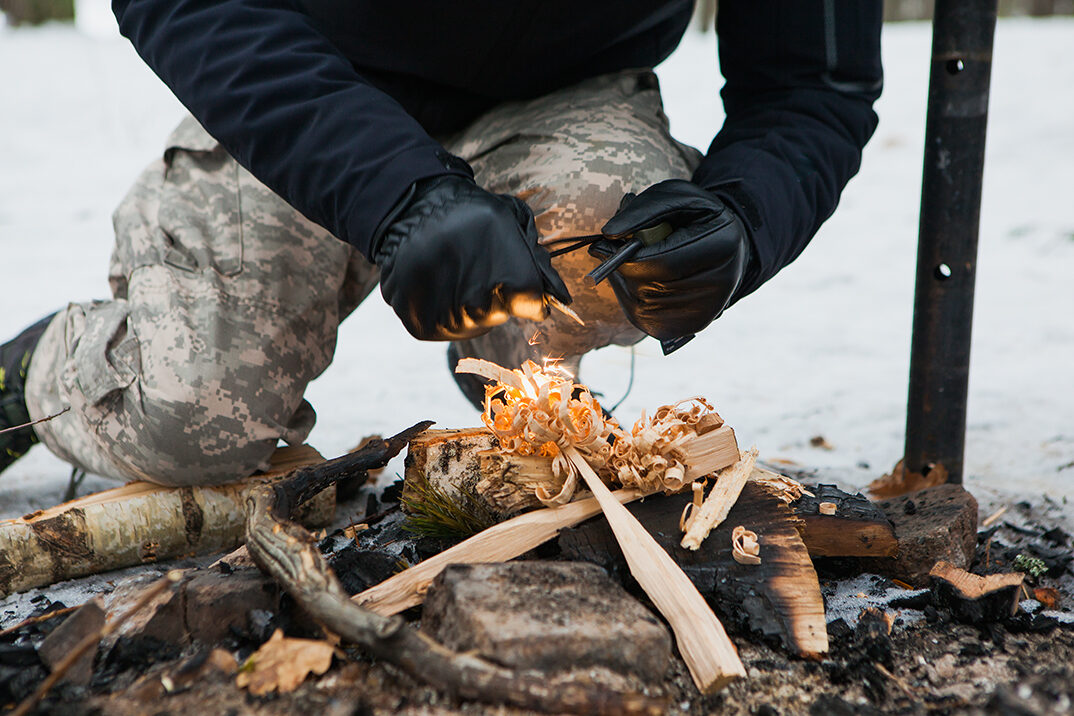
To build a signal fire near a stranded vehicle, gather three to five dry, flammable materials, create a fire pit with rocks, and ignite the fire with a lighter
To build a vehicle shelter in snow, create a simple snow trench or lean-to structure around your stranded vehicle, using snow blocks or pine branches to protect
To check for exhaust fumes inside your vehicle, roll down the windows and start the engine. If fumes enter the cabin, turn off the engine and ventilate the area
To create an SOS sign using items in your car, use a combination of a reflective surface, a sharp object, and a stable base. This can be achieved by creating a
To create an SOS signal from your vehicle, use a combination of visual and audible signals to alert rescuers. Start by turning on your hazard lights and then us
To deal with the psychological effects of being stranded, it's essential to establish a routine, prioritize hydration and nutrition, and focus on problem-solvin
If the temperature drops below 40°F (4°C) for an extended period, it's likely too cold to safely stay in your car. Monitor your car's thermometer and the outsid
Frostbite signs include numbness, waxy skin, pale or blue-tinged skin, and a loss of sensation in affected areas.
Signs of carbon monoxide poisoning in an enclosed car include dizziness, headaches, nausea, and disorientation. Look for symptoms in yourself or others, such as
To keep children safe and entertained while stranded, assign tasks, create a routine, and engage them in activities like games, storytelling, and exploration. U
A survival kit for cold weather should include essential items such as a warm hat, gloves, and a sleeping bag rated for sub-zero temperatures. It should also in
Establish a clear leader, prioritize communication, and respect personal space to maintain a peaceful coexistence with strangers when stranded.
To manage food supplies when stuck in winter conditions, prioritize high-calorie food, store rations in waterproof containers, and ration food according to your
MINIMIZE CARBON MONOXIDE PRODUCTION WHEN RUNNING A CAR BY MAINTAINING A WELL-VENTILATED AREA AND REGULARLY CHECKING AND REPLACING THE CARBURETOR, AIR FILTER, AN
Monitor weather conditions by tracking visible changes in the environment, using a compass to estimate wind direction, and observing cloud types to predict prec
If stranded in remote areas, it is crucial to notify authorities as soon as possible using a satellite phone or a personal locator beacon (PLB) with a built-in
Prepare for stranded situations ahead of time by assembling an emergency roadside kit with essential items, mapping out potential routes and safe stops, and tak
Protect yourself from hypothermia in a vehicle by starting your engine and running it for short periods, using hand and foot warmers, and layering insulation to
To recognize when rescue is imminent while stranded, look for increased activity around your location, such as approaching vehicles, people, or aircraft, and li
Create a visible signal by building a fire, using flares, or creating a large snow pattern, then add a visible marker like a brightly colored cloth or reflectiv
To stay calm when stranded in a snowstorm, assess your situation, prioritize basic needs, and focus on one task at a time. This will help you conserve energy an
STAY ENTERTAINED WHILE WAITING FOR RESCUE BY FOCUSING ON MENTAL AND PHYSICAL WELL-BEING AND FINDING CREATIVE WAYS TO PASS THE TIME. USE THE ABUNDANT AMOUNT OF T
When stranded in winter, it's essential to stay hydrated by melting snow and ice for drinking water, using a portable water filter or purification tablets as a
For winter survival, learn to identify and harness natural resources such as snowmelt, pine needles, and animal fat for water, insulation, and warmth. Collect a
Use reflectors to signal for help by positioning them in a visible, repetitive pattern, such as a triangle or a square, and moving them in a deliberate manner t
Utilize your vehicle's mirrors to signal by adjusting the side mirror to reflect the rear of your vehicle, and then use the rearview mirror to monitor your blin
Stock a winter vehicle survival kit with high-calorie non-perishable food items such as energy bars, dried fruits, nuts, and jerky. Include warm beverages like
Emergency blankets are crucial for winter survival as they provide insulation, retain body heat, and can help prevent hypothermia. They are lightweight, compact
Tire chains are crucial for stranded situations, providing necessary traction on icy or snowy roads, thereby reducing the risk of getting stuck or losing contro
Consuming snow for hydration can be done in an emergency, but it's not ideal due to the risk of water-borne contaminants and nutrient deficiencies; melt snow in
Traveling with winter survival gear can be beneficial, but it's essential to consider the specific conditions and duration of the trip. Carrying gear that is no
In most situations, it's better to try to find help rather than waiting for rescue, as it can take too long and increase the risk of dehydration, injury, or exp
Walking for help is generally better than staying put, especially if you're in an area with a moderate to high level of visibility, such as a rural or urban reg
Sleeping in a parked car in winter can be hazardous due to extreme cold, carbon monoxide poisoning, and hypothermia risks. Vehicle temperatures can drop rapidly
Yes, it is necessary to carry extra warm clothing in your vehicle, especially in cold weather conditions. This is crucial for maintaining body heat and preventi
No, it's not safe to drive if you have carbon monoxide symptoms, as they can be a sign of a serious health risk. Carbon monoxide poisoning can lead to brain dam