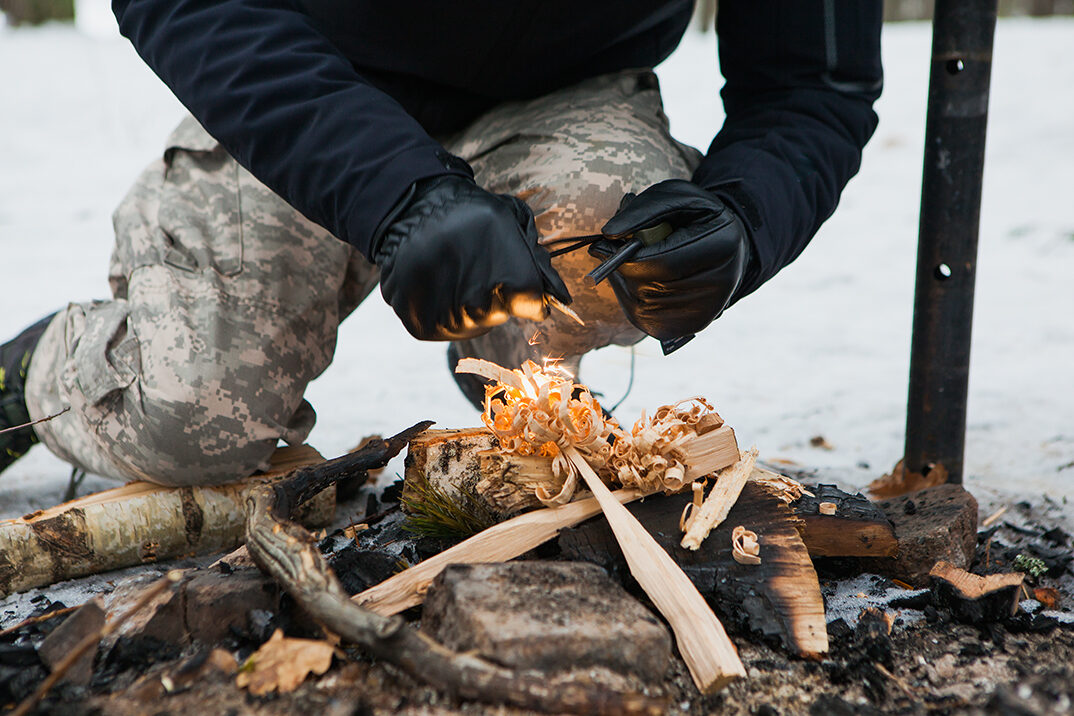
03 — Pillar · Survival
Expert guides and Q&A about storm safety wilderness.
Q&A in this topic
60 total
Tarps can be effective for protecting against high winds, but their performance depends on proper setup, securing, and material quality. A well-secured tarp can
When severe storms approach, sheltering pets requires a safe and secure location, often away from windows, doors, and exterior walls, with enough space for them
Yes, there are specific types of tarps designed for different storm scenarios, offering varying levels of water resistance, durability, and wind load capacity.
In extreme weather, signaling for help requires clear visibility and attention-grabbing methods. Use smoke from fires or bright-colored clothing to signal rescu
Tornado warning signs may include a dark, greenish sky, a loud roar, low-lying clouds that appear to be rotating, and a sudden drop in temperature.
Best lightning protection strategies when in open terrain include seeking lower ground, avoiding tall objects, and staying at least 15 feet away from anything m
To minimize storm risks when setting up camp, choose areas with higher ground, away from low-lying valleys and flood-prone zones, and consider sites with natura
For wind-resistant wilderness shelters, look for materials that are lightweight, yet strong and flexible, such as 1.9 oz nylon or 1.1 oz silnylon. These can be
When selecting a campsite during storm season, choose a spot that's at least 100 feet away from potential flood zones and avoid low-lying areas. Opt for a site
When venturing into the wilderness, always be aware of lightning safety and take steps to minimize risk, such as monitoring weather conditions, avoiding tall ob
A natural cave can provide safe shelter in storms, but it's essential to choose a cave with specific characteristics to ensure your safety.
A whistle can be a lifesaver in wilderness storm emergencies as it serves as a reliable signaling device that can be heard from a distance, helping to alert res
Cooking outdoors during a storm is not recommended, as it poses significant risks to your safety due to potential lightning strikes, flash flooding, and strong
A poncho can be used in combination with other gear to create a waterproof and wind-resistant system for storm safety. It can be paired with a tarp, rope, and s
You should not rely solely on your tent for shelter during severe thunderstorms, especially if the storm is producing heavy rain, strong winds, or lightning. A
Short answer: Yes, you can use natural landmarks for navigation during flash floods, but it's essential to do so safely and with caution.
Short Answer: Large trees can offer some protection from lightning strikes, but it's crucial to choose the right tree and understand the risks.
Trash bags can provide minimal protection against flash flooding while hiking, but their effectiveness depends on several factors.
Trees cannot provide safe shelter from lightning strikes. Lightning can easily jump from a tree to a person or nearby objects.
Wet ground and high winds can significantly weaken tent stability, making it more susceptible to damage and collapse.
Yes, observing animal behavior can be a useful indicator of severe weather. Changes in animal behavior can signal an impending storm or natural disaster. Paying
It is highly unlikely to survive a tornado while backpacking in the woods without proper shelter, but with a solid plan and the right equipment, you may have a
Common misconceptions about lightning safety while outdoors include assuming that a lightning rod on a building or a metal object will protect you, thinking tha
A portable weather radio can save your life outdoors by providing critical information about severe weather events, allowing you to take timely action and find
Flash floods can cause significant damage to wilderness gear, including ripped tents, destroyed backpacks, and contaminated water supplies. Electronics and pers
High winds require specific shelter setups to prevent collapse and ensure safety. A sturdy, low-profile shelter with a secure anchoring system is essential. Con
Mountain ridges can provide a degree of protection from storms, particularly from winds and lightning, but they may not offer complete safety from all types of
Ponchos provide moderate protection from heavy rain, but the degree of protection can vary depending on the poncho's material, design, and the intensity of the
Weather apps can provide unreliable information for wilderness trips, particularly in remote areas with limited cell reception or outdated satellite imagery.
While basic knowledge of storm safety is essential, specialized training is not always necessary for storm preparedness, but knowing how to respond to emergenci
Altitude does not directly affect lightning strike frequency, but higher elevations can experience more frequent and intense thunderstorms, which can increase t
Elevation can increase the risk of lightning strikes in mountainous areas due to the higher concentration of atmospheric moisture and the presence of tall terra
In a storm emergency, signaling for help is crucial. Create a visible signal fire, use a whistle or mirror to attract attention, and deploy flares or brightly c
To prepare for a storm in an off-grid location, stock up on essential items like non-perishable food, a first aid kit, a battery-powered radio, and a reliable m
Use local weather forecasts to plan your wilderness trip around storm-prone periods, avoid areas prone to flash flooding, and identify the safest routes for tra
Flash floods can severely disrupt wildlife behavior in affected areas, causing them to change their habitat use, alter their activity patterns, and even abandon
WAIT 30 minutes to 1 hour after a storm for safety.
Store food in a waterproof container at least 10 feet away from your shelter, and weigh it down with rocks to prevent it from being swept away by floodwaters.
Short answer: Secure loose gear and objects that could become projectiles in a windstorm by tying them down or weighting them with rocks. Use bungee cords, rope
Assess storm damage to wilderness trails by inspecting for erosion, debris, and signs of flooding, such as washed-out bridges, mudslides, and standing water. Ch
Assess the stability of a temporary shelter in storms by checking for secure anchoring, reviewing wind direction and speed projections, and inspecting for poten
To build an emergency shelter for tornado conditions, use sturdy materials like sandbags, plywood, and metal sheets to construct a reinforced trench or a below-
Choose a campsite with a natural barrier such as a group of trees, a cliff, or a boulder, at least 200 feet away from any body of water. Avoid low-lying areas a
To effectively report severe weather conditions, provide clear, concise information about the location, type of weather, and severity of the conditions, such as
To ensure your gear stays secure in high winds, anchor it down with stakes and ropes, and consider using wind-resistant gear such as reinforced tarps and bungee
To find high ground during rapidly rising water, look for areas above the surrounding terrain, such as hilltops, ridges, or elevated areas near water sources. I
When navigating through flooded terrain, it's crucial to find safe ground quickly to avoid further risk. Identify higher ground, a natural or constructed barrie
Identify a safe exit route by looking for higher ground or elevated areas, such as hills, ridges, or buildings with sturdy foundations, avoiding fast-moving wat
When identifying a safe place to camp during floods, look for high ground at least 100 feet above the projected flood level and away from low-lying areas, river
Maintain morale in stormy wilderness situations by prioritizing shelter, staying hydrated, and using positive reinforcement techniques such as storytelling and
Maintain visibility during heavy rain while hiking by wearing bright or reflective clothing, using trekking poles with reflective tips, and carrying a headlamp
A bug-out bag for storm emergencies should include essential items such as water, non-perishable food, a first aid kit, a flashlight, and a means of communicati
To prepare psychologically for severe weather in the wilderness, it's essential to stay focused, assess risks, and have a solid emergency plan in place. This in
Recognize dangerous weather patterns in the wild by observing changes in cloud formations, wind speed, and temperature. Watch for dark, towering clouds that can
Recognize signs of a flash flood by monitoring weather forecasts, watching for sudden changes in water levels, and observing unusual water coloration or debris.
Recognize signs of a flash flood quickly by watching for changes in water level, unusual noise, and sudden vegetation movement. Look for rising water levels, fa
To safely navigate during a wilderness tornado event, seek shelter immediately, preferably in a low-lying area or a designated tornado shelter, and follow a spe
Flash flooding on hiking trails can be deadly, causing rapid water rise, erosion, and debris accumulation, necessitating immediate evacuation and caution when t
A bivy sack may provide some protection from wind-driven rain and debris, but it is generally not sufficient for storm protection while camping. In severe weath
A rain fly may provide some protection from heavy rain and wind, but it's often not enough to withstand strong gusts or severe weather conditions, and it may no