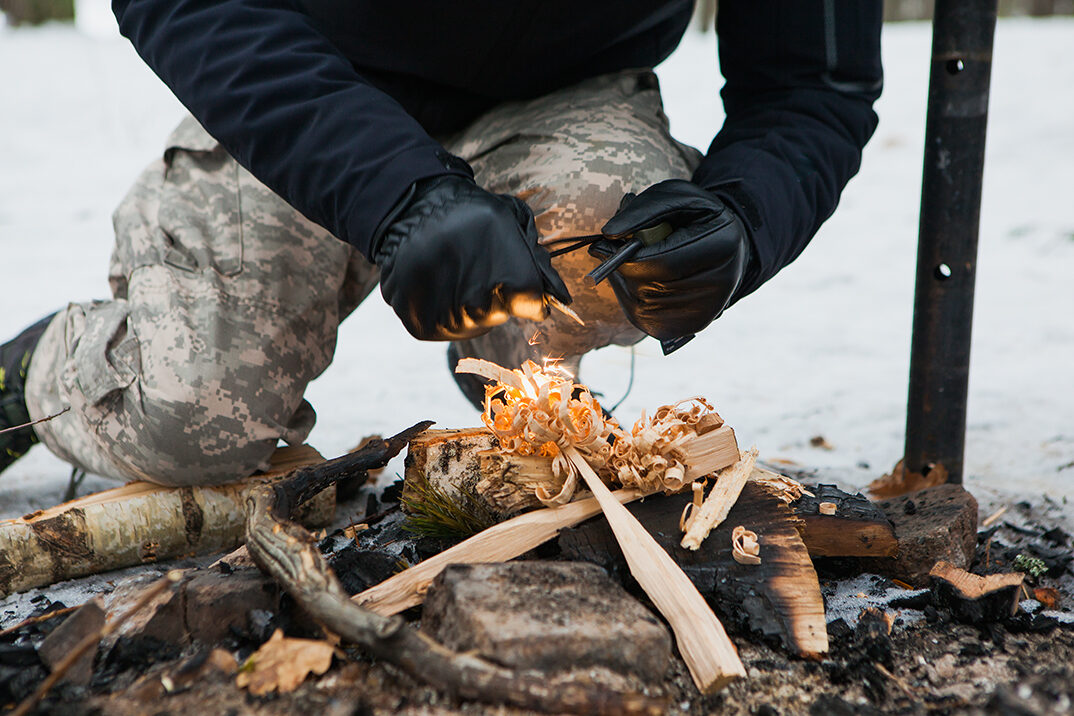
03 — Pillar · Survival
Expert guides and Q&A about swamp survival.
Q&A in this topic
60 total
Not all leeches are bloodsuckers, but the majority of species are. Some leeches are harmless, feeding on organic matter like algae and decaying plants. They can
Not all mosquito species in wetlands are disease carriers, but many are, including the Asian tiger mosquito, Aedes aegypti, and the yellow fever mosquito, Culex
Certain types of fishing lines are better suited for swamp fishing due to the unique conditions and hazards found in these environments.
Mosquito nets are worth the extra weight on a trip because they provide significant protection against mosquitoes, preventing diseases like malaria, dengue feve
Swamp plants can be effective for natural insect repellents due to their unique chemical properties. Certain species have oils or compounds that repel or deter
Swamps may not be the safest choice for overnight camping trips due to the presence of water-borne hazards and potential flooding.
Effective mosquito traps exist for survival situations, using UV light, CO2, and heat to attract and eliminate mosquitoes. These traps are particularly useful i
Yes, using a mosquito net or applying a DEET-based repellent can help slow mosquito bites while sleeping.
Yes, there are safe paths for tracing routes in swamps, but they require careful navigation and consideration of terrain, wildlife, and water conditions.
Yes, several edible insects can be found in wetlands, including dragonflies, damselflies, and certain species of grasshoppers and crickets.
Mosquito activity peaks in swamps during early morning and late evening, typically between 2-3 hours before sunrise and 2 hours after sunset, with the highest c
Water moccasins are generally not aggressive toward humans unless provoked.
When setting up a swamp camp, avoid common mistakes by choosing high ground, using elevated platforms or stilts, and keeping a safe distance from water sources
Trapping fish in swamp waters can be achieved through the use of makeshift traps, spearfishing, or hook-and-line fishing, taking into account the unique challen
To avoid mosquito breeding grounds, focus on eliminating standing water around your living area, regularly inspect and clear debris from drains and water contai
To cook in wetlands without drawing attention, use a portable, smokeless stove or a solar oven, and position it in a way that minimizes visibility and smoke dis
Staying dry while camping in swamps requires a combination of knowledge, planning, and gear preparation. Wear protective clothing and use insect repellent to pr
When swamp hunting with dogs, it's crucial to navigate through dense vegetation, anticipate water hazards, and manage leeches and insect-borne diseases. Employi
To build a platform shelter in wetlands, choose a high spot with good drainage, use lightweight and waterproof materials, and secure them to sturdy poles. Consi
The best time for swamp survival training is during the spring season, from late March to early May. This period offers optimal weather conditions, allowing stu
To create a barrier against mosquitoes in swamps, consider using insect-repellent clothing, applying permethrin to gear and clothing, and constructing a platfor
To avoid attracting wildlife in swamps, store food in airtight containers, use rodent-proof containers, and keep them elevated off the ground. Hang food bags fr
Building a platform shelter may reduce the risk of wildlife encounters by elevating you above the ground and providing a safe barrier against snakes, leeches, a
Insect repellents can be detrimental to wetland ecosystems, as they often contain chemicals that can contaminate waterways, harm aquatic life, and disrupt the d
Leeches can pose a significant risk in survival scenarios, particularly in wetland environments, due to their potential to transmit diseases such as dengue feve
Leeches can be used to treat sports injuries, particularly those related to swelling and blood flow, but their use is still experimental and requires medical su
SWAMP MOSQUITOES CAN CARRY DISEASES THAT AFFECT HUMANS, SUCH AS MALARIA, DENGUE FEVER, AND ZIKA VIRUS. THESE MOSQUITOES ARE FOUND IN WETTER AREAS LIKE SWAMPS AN
You can't reliably count on landmarks for navigation in swamps due to limited visibility and changing terrain. Swamps often have few distinct features, and vege
No, it's not a good idea to drink beer or alcohol for hydration in swamps. In fact, it can be detrimental to your health and make you more susceptible to dehydr
Leaches can be eaten for survival nutrition in a pinch, but it's not a preferred method due to their low nutritional value and potential health risks.
Finding safe drinking water in swamps without tools is challenging but not impossible. It requires knowledge of the environment and water sources. You can find
Yes, using traps can be an effective method for catching mosquitoes, especially in swamp and wetland environments where they are most prevalent.
Wetland regions pose unique dangers from various animals. Be aware of water moccasins, alligators, and snakes, which are commonly found in these areas. You shou
Frogs and toads can be used as indicators of safe areas in wetlands because their presence often signifies a lack of certain hazards such as water moccasins, wh
Mosquitoes bite more during dawn and dusk, with peak biting hours typically between 5:00 and 7:00 am and 5:00 to 7:00 pm.
Water moccasins have a specific breeding season that typically occurs in the spring and summer months, with peak activity usually between April and September.
Water Moccasins Prefer Shallow Water. They typically thrive in areas with slow-moving water and abundant vegetation, often no deeper than 2-3 feet. This allows
Cooking water from swamps typically does not eliminate all contaminants, but it can reduce some types of bacteria, viruses, and parasites.
Natural repellents offer moderate protection against mosquitoes, with citronella oil and lemongrass oil providing the most effective results, repelling up to 75
Inclement weather conditions in swamp survival can be extremely challenging due to flooding, reduced visibility, and increased hazards from wildlife and terrain
Natural oils can offer moderate protection against mosquito bites, with some studies suggesting citronella and lemongrass oils repel mosquitoes by up to 60% and
A platform shelter can safely support approximately 200-300 pounds of weight, depending on its design and size. This weight includes the occupants, any gear, an
Water moccasins give birth in swamps approximately 15-20 times in a single breeding season, with a peak in reproduction usually occurring in late summer or earl
Avoid getting bitten by leeches in wetlands by wearing protective clothing, using insect repellent, and keeping your skin dry. Leeches prefer areas with slow-mo
Build a fire pit with a raised platform using gravel or rocks to allow air to circulate and water to drain, and surround it with a fire ring or a metal shield t
To build a mosquito-proof shelter in wetlands, construct a raised platform above 3-4 feet of water, using locally sourced materials such as cypress knees, mangr
To build a makeshift raft for crossing swamp waters, gather sturdy branches and vines, then tie them in a stable platform shape using twine or rope. Use a light
When navigating swamps, choose a canoe or kayak with a flat hull, shallow draft, and high sides to protect against water moccasins and leeches. Consider a lengt
Before entering a swamp, conduct a safety check by inspecting the terrain, checking for signs of wildlife, and assessing the water's depth and flow. Look for ha
To construct a safe swamp campfire, identify a dry, elevated area, clear the surface of leaves and debris, and create a fire ring using rocks or by digging a sh
To create a mosquito-free zone around your shelter, use a combination of physical barriers, insect repellents, and elimination of standing water. Clear a 10-15
To detect water moccasins in tall grass, look for a distinctive triangular or hourglass-shaped mark on the head, and be cautious of sudden movements or aggressi
To dress for optimal protection against swamp critters, wear lightweight, long-sleeved, and long-legged clothing that covers skin, including socks and gloves, a
In misty wetland conditions, use a compass with a mirror to reflect sunlight and navigate, and create a landmark by piling rocks or sticks to aid in finding you
To identify edible fungi in wetland areas, look for species with a distinctive cap shape, size, and color, and check for the presence of gills or pores on the u
Short answer: When navigating marshy areas, observe the snake's color pattern, shape, and behavior to identify non-poisonous species such as water snakes and ga
Identify safe water sources in swamps by looking for clear, fast-moving water with minimal vegetation and debris, preferably near a slight incline or a narrow c
To maintain dryness while sleeping in a wetland shelter, elevate your sleeping area using logs or a makeshift bed, and use a waterproof tarp or poncho to cover
To patch leaks in a wetland shelter quickly, use available materials like mud, plant fibers, or animal hides to seal gaps, and consider using a makeshift tarp m
To recognize safe paths when hiking through marshes, look for elevated areas with visible footprints or animal trails, and check for signs of recent flooding or