03 — Pillar · Survival
Expert guides and Q&A about water distillation diy.
Q&A in this topic
60 total
Commercial Distillation Kits are worth the investment for those who prioritize water quality, have a large family or community to serve, or plan to use the dist
Yes, there are cultural myths surrounding water distillation methods that can be misleading or even hazardous if not understood correctly, such as the use of ce
Yes, DIY water distillation can have environmental impacts, primarily due to energy consumption and potential for chemical contamination.
Yes, there are renewable sources of water distillation, including solar stills and manual distillation using heat from fires or other heat sources, offering alt
Safe ways to purify water from puddles exist, including solar disinfection and sand filtration.
When setting up a water distillation device, it's essential to choose locations with reliable heat sources and minimal risk of contamination. Look for areas wit
Ideal locations for mobile water distillation systems include areas with a steady source of fuel, proximity to a water source, and minimal wind interference.
For a homemade water distillation kit, use materials such as a large pot, a heat source, a condenser coil made from copper or PVC pipes, and a collection vessel
Collect rainwater safely by installing a food-grade, 100% leak-proof rainwater collection system with a secure lid and a mosquito-proof mesh. Use a first flush
Dispose of distillation waste by burying it 6-8 inches deep in a well-ventilated area, allowing it to decompose naturally, or by sealing it in a container with
A portable water distiller can be built using a simple still design, such as the solar still or the pot still, which utilize heat from the sun or a fire to evap
Store distilled water in a clean, airtight container, such as a glass or food-grade plastic bottle, and keep it in a cool, dark place to preserve its quality fo
Regularly clean and sanitize distillation equipment, use food-grade materials, and follow proper assembly and maintenance procedures to ensure food safety.
Improving the efficiency of water distillation involves optimizing the system design, using proper materials, and maintaining a consistent temperature. A well-d
Children can assist in DIY water distillation projects, but their level of involvement depends on their age, skill, and supervision. Toddlers should not partici
Distillation techniques can be used for essential oil extraction, particularly for plant-based oils that have a low boiling point. This method involves heating
Distilled water can remove some heavy metals from contaminated sources, but it is not a foolproof method. Distillation is effective against volatile heavy metal
While it's technically possible to distill water from algal blooms, the process is not recommended due to contamination risks and potential for producing harmfu
Yes, a functional distillation system can be built from recycled materials, requiring creativity and basic technical knowledge.
Distilled water can be obtained from salt water through a process of evaporation and condensation, typically using a still.
Yes, you can distill water in a survival situation with limited resources using simple equipment.
Yes, you can distill water using a copper pot, but it requires careful handling and specific techniques to achieve safe and efficient results.
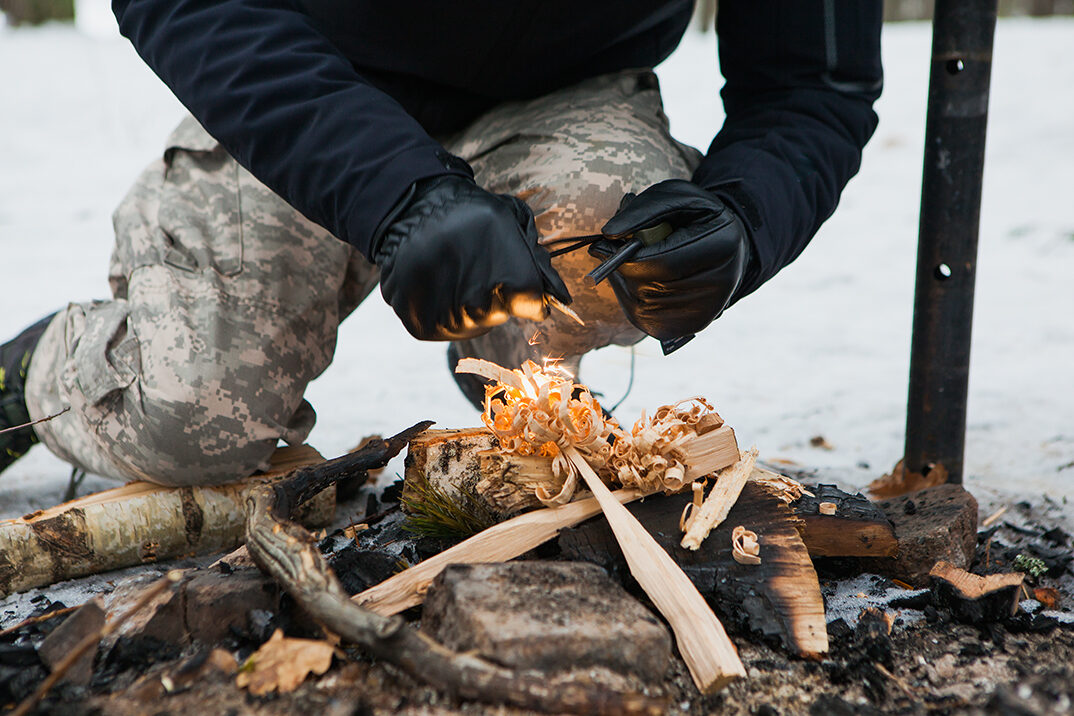
Yes, you can distill water using natural heat sources like the sun or a campfire.
Yes, you can distill water with just heat and no equipment, but it requires a specific setup and technique. This method works by harnessing the principle of boi
Yes, you can distill water without electricity using various methods.
DIY distillation setups can be used in cold climates, but their efficiency may be reduced due to freezing temperatures. Proper insulation and heating can help m
You can use a pressure cooker for water distillation, but it's essential to follow specific guidelines to avoid contamination and ensure safe operation.
You can use certain essential oils during water distillation, but it's crucial to choose oils that are non-reactive and won't contaminate the distilled water. L
No, do not use glass containers for distilling water due to the risk of thermal shock and potential container failure when exposed to high temperatures.
Common Mistakes When Distilling Water at Home include using suboptimal equipment, improper boiling procedures, and neglecting proper maintenance and testing of
Common Pitfalls When Distilling Water with Limited Equipment include using inadequate materials, ignoring temperature control, and not maintaining equipment cle
A car battery can be used to power a distillation unit, but it's crucial to ensure the voltage and current requirements of the unit match the battery specificat
Backpackers can rely on various desalination techniques to get clean drinking water in remote areas, with distillation being a popular choice due to its low cos
For emergency situations, DIY water distillation techniques using solar stills, bowl stills, and transpiration bags are effective methods to purify water, but s
The most effective DIY water distillation method for salt water is a combination of heat, condensation, and collection, often achieved through a solar still or
Distillation kits can be operated with basic knowledge, but understanding the underlying principles and proper use can improve efficiency and effectiveness. Wit
In rural areas, you may not need a permit for a water distillation system if it is for personal use and not connected to a municipal water supply. However, regu
Distillation can affect the taste of water, as it removes impurities and minerals, potentially altering its taste and odor.
Short Answer: Different distillation methods can significantly impact water quality by varying the removal of contaminants such as dissolved solids, bacteria, v
Temperature Affects the Efficiency of Water Distillation by altering the rate of evaporation, which in turn affects the distillation rate. Higher temperatures i
DIY water distillation systems differ from commercial systems in their design, materials, and cost. Commercial systems are typically more efficient and have a l
Distilled water can be stored safely for 2 to 6 months at room temperature in a sealed container, and up to 1 to 2 years in the freezer or refrigerator. However
Distillation using sunlight can take anywhere from 4 to 6 hours, depending on the intensity of the sun and the design of the distillation setup.
A basic water distillation setup requires a minimum of 4-6 square feet (0.37-0.56 square meters) of space. This includes the equipment, a heat source, and a col
A DIY distiller can produce 1-3 liters of distilled water per hour, depending on the design and materials used.
ADAPTING DISTILLATION METHODS FOR HIGH ALTITUDE
To adapt distillation techniques for different environments, one must consider factors such as altitude, temperature, and available resources. For example, in c
A multi-stage distillation system can be created by combining multiple distillation units in a series, with each unit increasing the purity of the water through
To create an efficient DIY water distillation system, use a heat source, a condenser, and a collection vessel. The system should be able to boil water, cool and
To ensure water distillation is eco-friendly, use a energy-efficient method like solar stills or low-temperature distillation. Avoid using plastic or metal cont
Good water distillation equipment should have a robust, leak-proof design, efficient condensation system, and easy maintenance access. Look for equipment with a
Regularly inspect and clean the distillation unit, replacing the charcoal or carbon filter every 3-6 months to maintain its effectiveness. Check the integrity o
Recognize contaminated water sources by inspecting for visible debris, unusual colors, and strong odors, and test its pH level and turbidity.
To determine if your distillation process is effective, check for a consistent boiling point and a clear, condensed vapor that separates from the contaminated w
Distilled water can be tested for purity by using a litmus test or by measuring its conductivity. A litmus test will indicate if the water is acidic or basic, w
A simple and effective DIY water distillation setup consists of a heat source, a distillation apparatus, and a collection container. The apparatus can be as bas
Boiling water is not enough to remove all contaminants, as it may not kill or remove bacteria, viruses, heavy metals, and other chemicals.
Distilled water is generally safe for plants, but it is not a substitute for rainwater or other natural sources. Using distilled water can lead to mineral defic
DIY water distillation is feasible for long-term use with proper design, materials, and maintenance.
DIY water distillation is suitable for large groups, but requires careful planning and execution to ensure efficient and safe production of clean drinking water